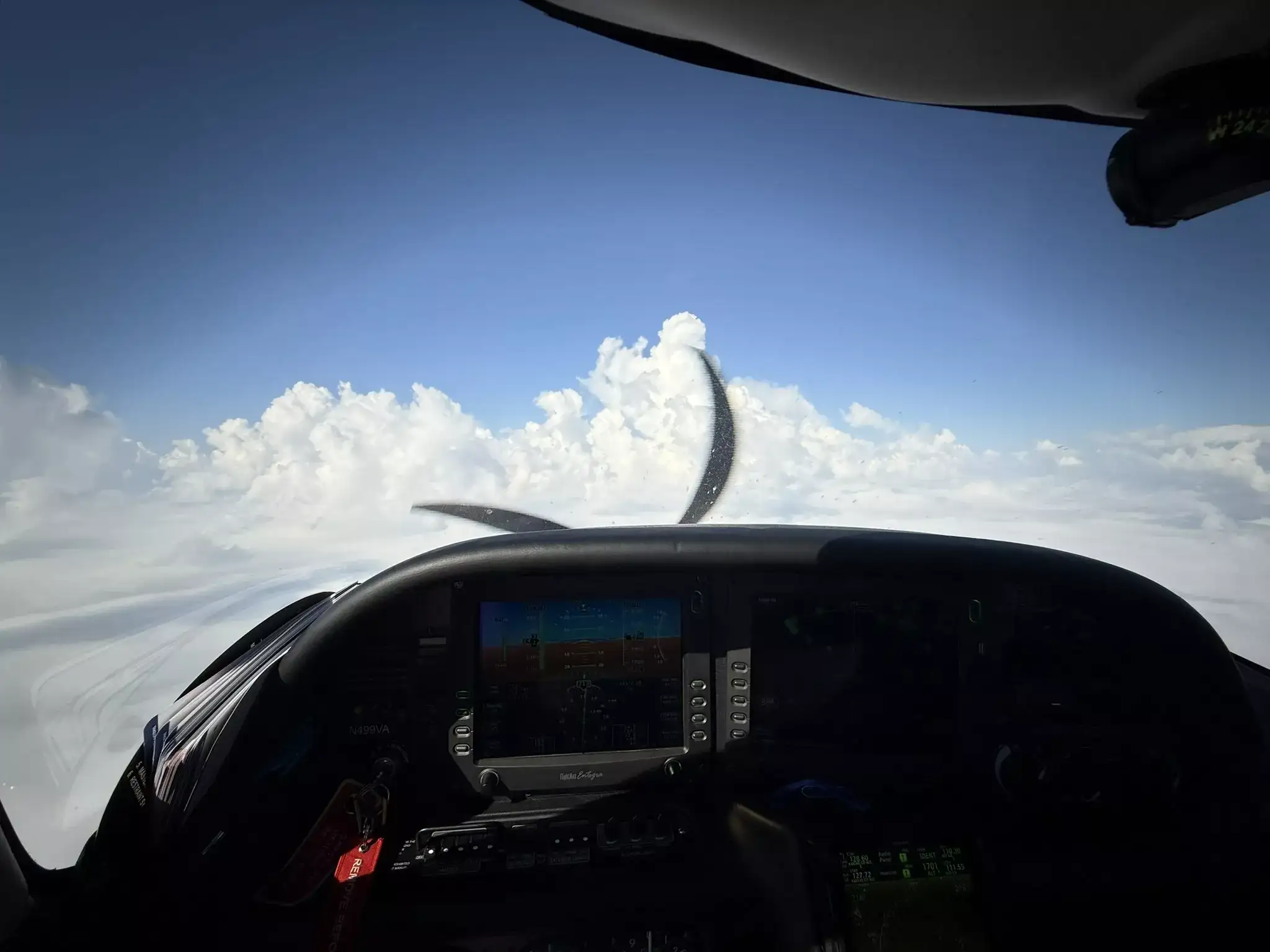
Commercial Pilot Hour Requirements in 2026: What Counts Toward 250 Hours
Published by:
FlyTech Pilot Academy
You have your Private Pilot Certificate and your Instrument Rating, and now you are staring at a logbook and one question: how many commercial pilot hours are required, and how many of yours already count? Under Part 61, the FAA sets the minimum at 250 hours of flight time as a pilot. At FlyTech Pilot Academy, we plan on about $23,500 for the commercial stage at our posted rates, and that total moves with the hours you still need to log.
This guide sorts the 250 into the boxes the FAA actually checks, then prices an hour in each box. For the full line-by-line estimate, see our commercial pilot program page. If you want ways to spend less, our post on how to lower the cost of commercial pilot training covers that. This post covers the count.
The 250 Hours Are a Total With Smaller Requirements Inside
The number everyone quotes is the outer limit. The commercial pilot license requirements in the FAA’s hourly requirements and in 14 CFR 61.129 break the airplane single-engine certificate into separate minimums you have to meet at the same time. A logbook can show 250 hours and still come up short in one box.
Here is what the rule asks for under Part 61:
- 250 hours of flight time as a pilot, in total.
- 100 hours in powered aircraft, with 50 of them in airplanes.
- 100 hours as pilot in command (PIC), with 50 of them in airplanes and 50 on cross-country flights. At least 10 of the cross-country hours must be in airplanes.
- 20 hours of training with an authorized instructor, which includes 10 hours of instrument training and 10 hours in a complex, turbine-powered, or technically advanced airplane.
- One 2-hour day cross-country and one 2-hour night cross-country in a single-engine airplane, each covering more than 100 nautical miles in a straight line from where you started.
- 3 hours of training with an instructor to prepare for the practical test, within the 2 calendar months before the test.
- 10 hours of solo flight or PIC time with an instructor aboard, including one cross-country of at least 300 nautical miles with landings at three points, and 5 hours of night VFR with 10 takeoffs and 10 landings at an airport with an operating control tower.
PIC time is the time you log as the pilot who has final authority over the flight. The FAA minimum is a floor for the Part 61 path: 250 is the least you can log, and your own total may run higher. You also pass an FAA written test and a checkride graded against the Airman Certification Standards.
If you are weighing Part 61 against a Part 141 course, our Part 61 vs. Part 141 guide explains the difference. Our commercial stage follows the Part 61 numbers above.
Count What You Already Have Before You Count What You Need
The time you logged earning your Private Pilot Certificate and your Instrument Rating is flight time as a pilot, so it counts toward the 250. The cross-country flying, the night hours, and the instrument training you did on the way up may already fill part of several boxes.
Sit down with your logbook and a pencil. Total every column first: total time, airplane time, PIC, cross-country PIC, night, and instrument training. Then compare each total with the list above. The box with the biggest gap is the one that shapes your plan, and it is often PIC time rather than total time.
Picture two pilots. One has 240 hours in the book but only 70 as PIC. The other has 200 hours with 95 as PIC. The second pilot is closer on the PIC box even though the first has more total time. Our commercial estimate is built around 50 hours of remaining PIC time.
Not sure how your hours sort? Our general flight training FAQs cover common starting questions, or you can contact our team to go through your logbook with us.
Where the Remaining Hours Come From
Your remaining hours fall into two kinds: hours you fly alone and hours you fly with an instructor. They fill different boxes and carry different prices.
Solo and PIC hours build the 100-hour PIC requirement and the cross-country boxes. The long cross-country trips live here. A trip of at least 300 nautical miles with three landings adds to PIC, cross-country, and total time at once, so one flight can fill several boxes. Plan trips that do double duty.
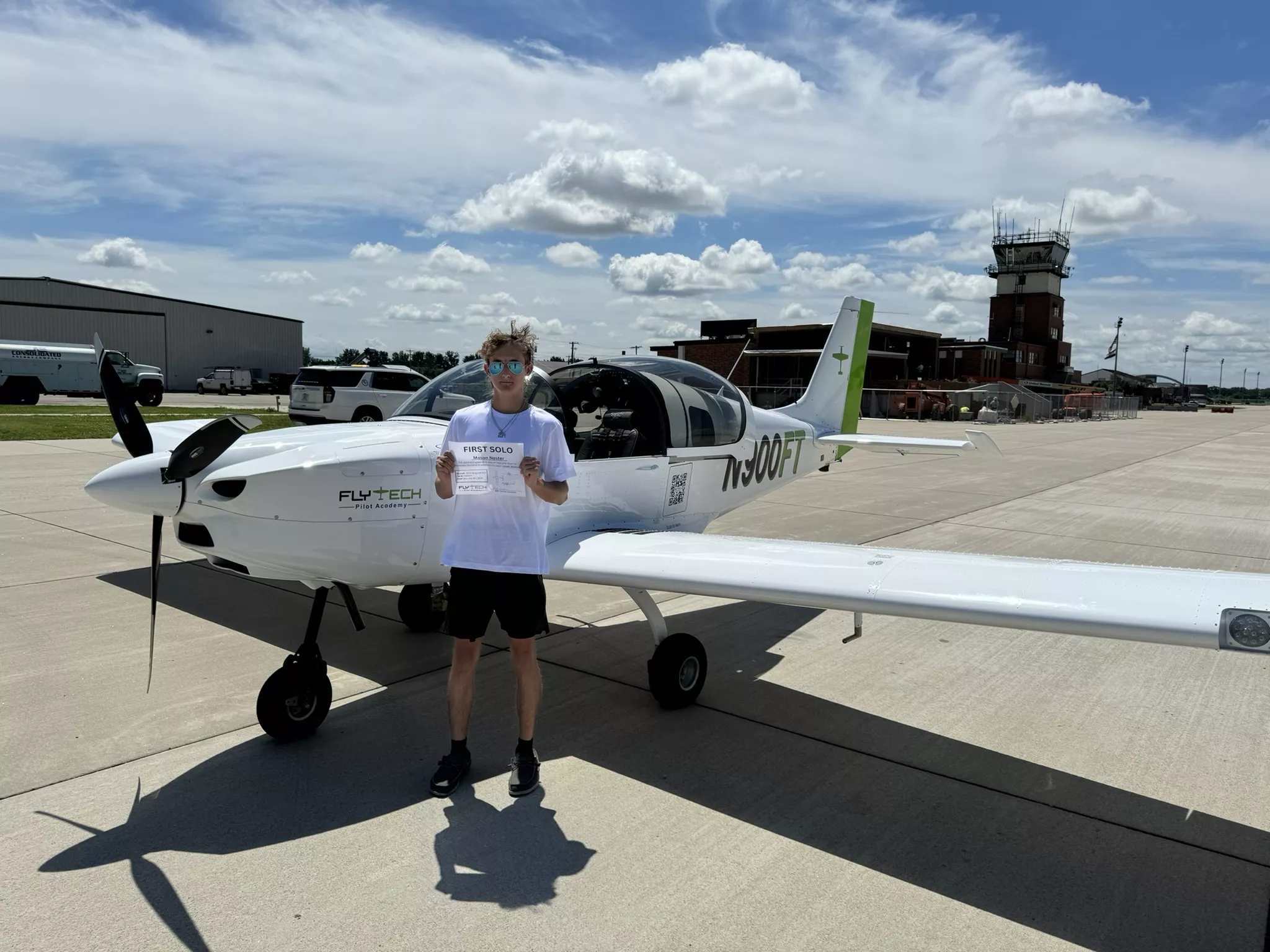
Dual hours with an instructor cover the 20 hours of training, including the instrument training and the final 3 hours of test preparation. Our stage includes 30 dual hours in our Sling, with your instructor alongside logging what you fly.
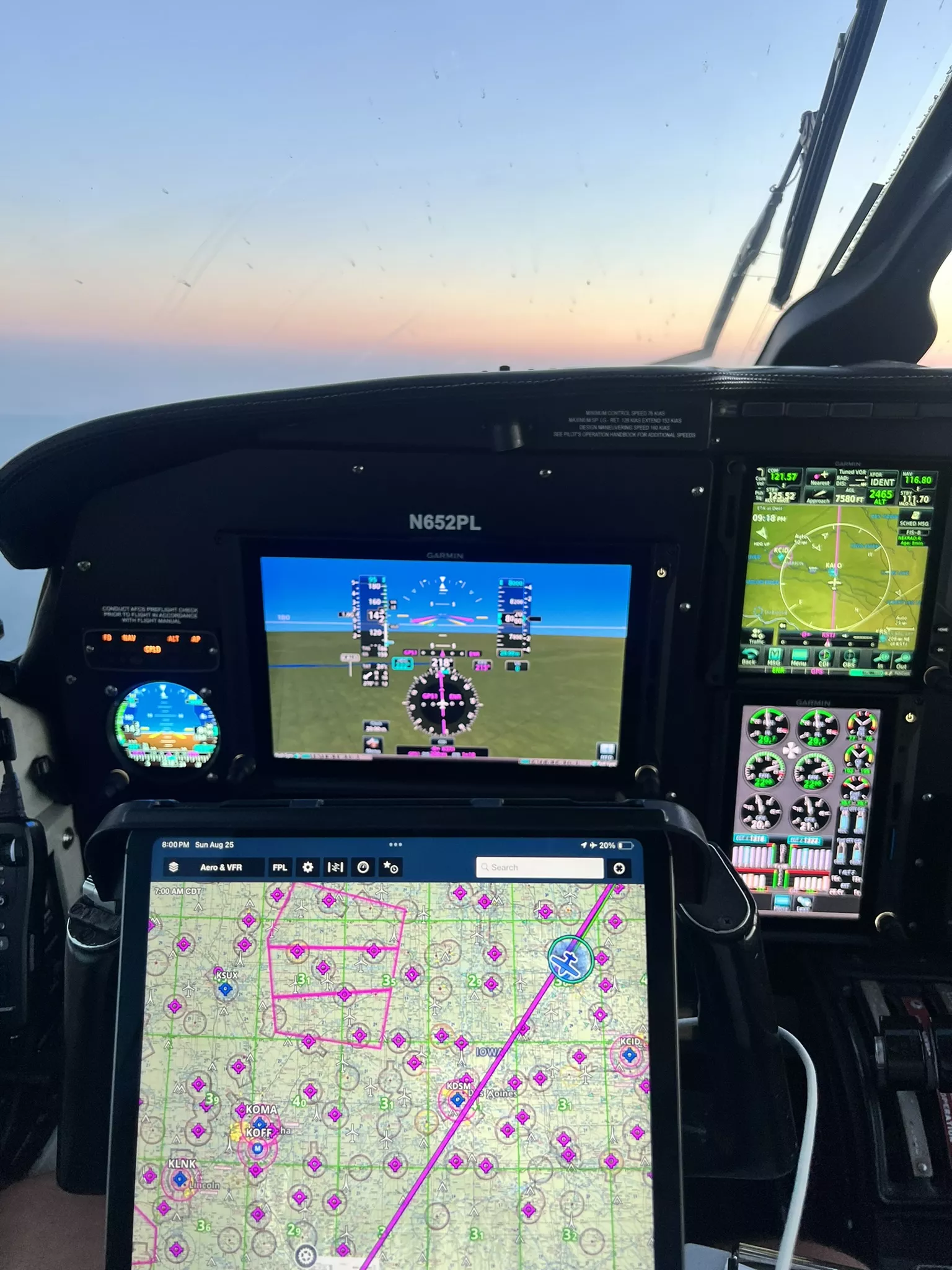
You can look over our training aircraft before you plan your flights.
What Simulator Time Does to the Count
Simulator time causes the most confusion. The FAA allows limited credit for time in an approved flight simulator or flight training device toward the commercial aeronautical experience, under 14 CFR 61.129(i). The credit has a cap, it requires an authorized instructor, and the device has to represent the right kind of aircraft.
Simulator hours do not swap one for one with airplane hours. Your estimate includes 27.5 hours in our Redbird simulator, and your instructor tells you which of those sessions are logged toward your requirements. Plan your 250 around airplane hours first, and treat any simulator credit as a bonus your instructor confirms.
Pay for the Hours as You Log Them
At FlyTech, you pay as you go. Each hour is billed when you fly it, so the stage grows only as fast as your logbook does. Students can also purchase flight time in bulk at discounted rates.
Financing options through Stratus Financial may be available to qualified applicants, and you can learn more on our financing page. For the wider picture of how the certificates stack up, our private vs. commercial pilot license post is a good companion read.
Your Four-Step Plan to Know Your Number
- Total every column in your logbook: total, airplane, PIC, cross-country PIC, night, and instrument training.
- Compare each total with the FAA list above and mark the boxes that fall short.
- Price the gaps at $185 an hour for the aircraft, plus $60 an hour for the instructor on dual hours.
- Book the flights that fill several boxes at once, like the long night and day cross-countries.
Frequently Asked Questions
How many hours do I need for a commercial pilot license?
Under Part 61, the FAA requires at least 250 hours of flight time as a pilot for an airplane single-engine commercial certificate. That total has smaller requirements inside it, including PIC, cross-country, and training hours, and you need to meet each one.
Do my private pilot and instrument hours count toward the 250?
Yes. Flight time you logged earning your Private Pilot Certificate and Instrument Rating is flight time as a pilot, so it counts toward the total. The specific boxes, such as PIC and cross-country, still need the right kind of time.
Does simulator time count toward commercial pilot hour requirements?
The FAA allows limited credit for approved simulator or training device time under 14 CFR 61.129(i), with an authorized instructor. It is not a one-for-one swap for airplane time, and your instructor tells you which sessions are logged toward your requirements.
What do I need before I start commercial training?
You need a Private Pilot Certificate, an Instrument Rating, at least 250 total flight hours, a minimum age of 18, and a valid FAA medical certificate.
How much does it cost to get a commercial pilot license at FlyTech?
If you already hold your Private Pilot Certificate and Instrument Rating, plan on about $23,500 for the commercial stage. An airplane hour is $185 for the aircraft, and dual hours also bill $60 an hour for the instructor, and the itemized numbers are on our commercial pilot program page.
Can I finance my commercial pilot training?
Financing options through Stratus Financial may be available to qualified applicants. You can also pay as you go. Visit our financing page to get started.
How long does the commercial stage take?
Most students finish in 2 to 3 months, depending on how often they fly and the weather. The 250 hours are a minimum, and your own logbook sets the pace.
Bring Your Logbook and Build Your Plan
Your logbook already holds most of the answer. If you want a clear count, a price for your gaps, and a schedule that fits your life, talk with our team about your commercial plan and we will map it out with you.

FlyTech Pilot Academy
Ready to take the next step in your aviation journey? Our team of expert instructors is here to guide you every step of the way. Whether you’re looking to earn your private pilot certificate or advance your skills with additional ratings, we’re here to help you achieve your goals.