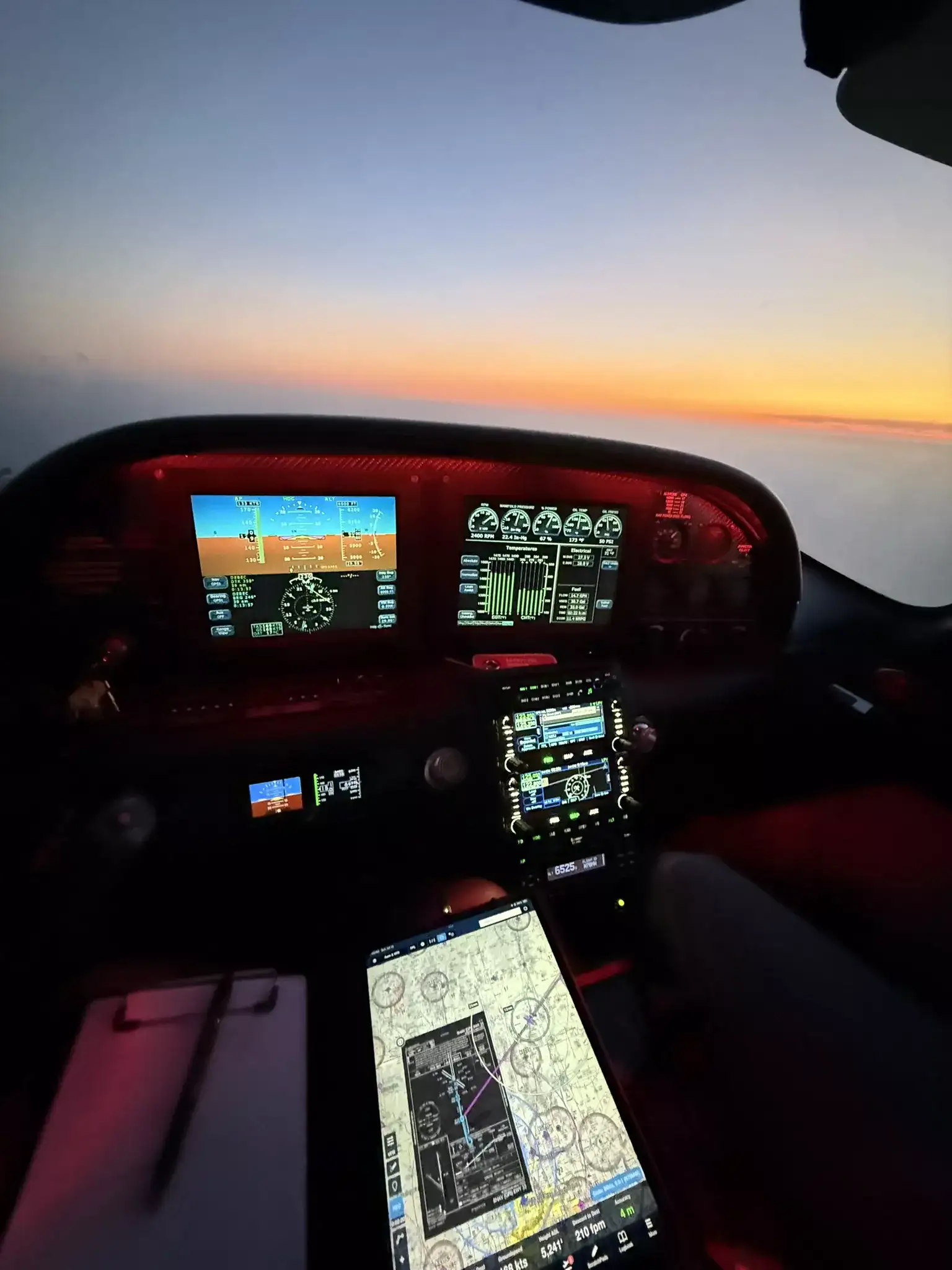
How Long Does Commercial Pilot Training Take in 2026?
Published by:
FlyTech Pilot Academy
You have your Private Pilot Certificate and your Instrument Rating, and one question sits behind every other one: how long does it take to get a commercial pilot license? At FlyTech Pilot Academy, most students finish the commercial stage in 2 to 3 months. Your own timeline depends on how often you fly, the hours you log, the weather, scheduling, and how quickly the skills come together for you.
This guide walks through the calendar from your first commercial lesson to the checkride. We cover what fills those weeks, what speeds you up, what slows you down, and how the calendar connects to cost. For the hour-by-hour rules, see our post on commercial pilot hour requirements.
What the 2 to 3 Months Include, and When the Clock Starts
The clock starts when you meet the prerequisites for the commercial stage: a Private Pilot Certificate, an Instrument Rating, at least 250 total flight hours, a minimum age of 18, and a valid FAA medical certificate. If you are still short on hours, building them comes first, and our private vs. commercial pilot license guide shows where the commercial stage sits on the bigger path.
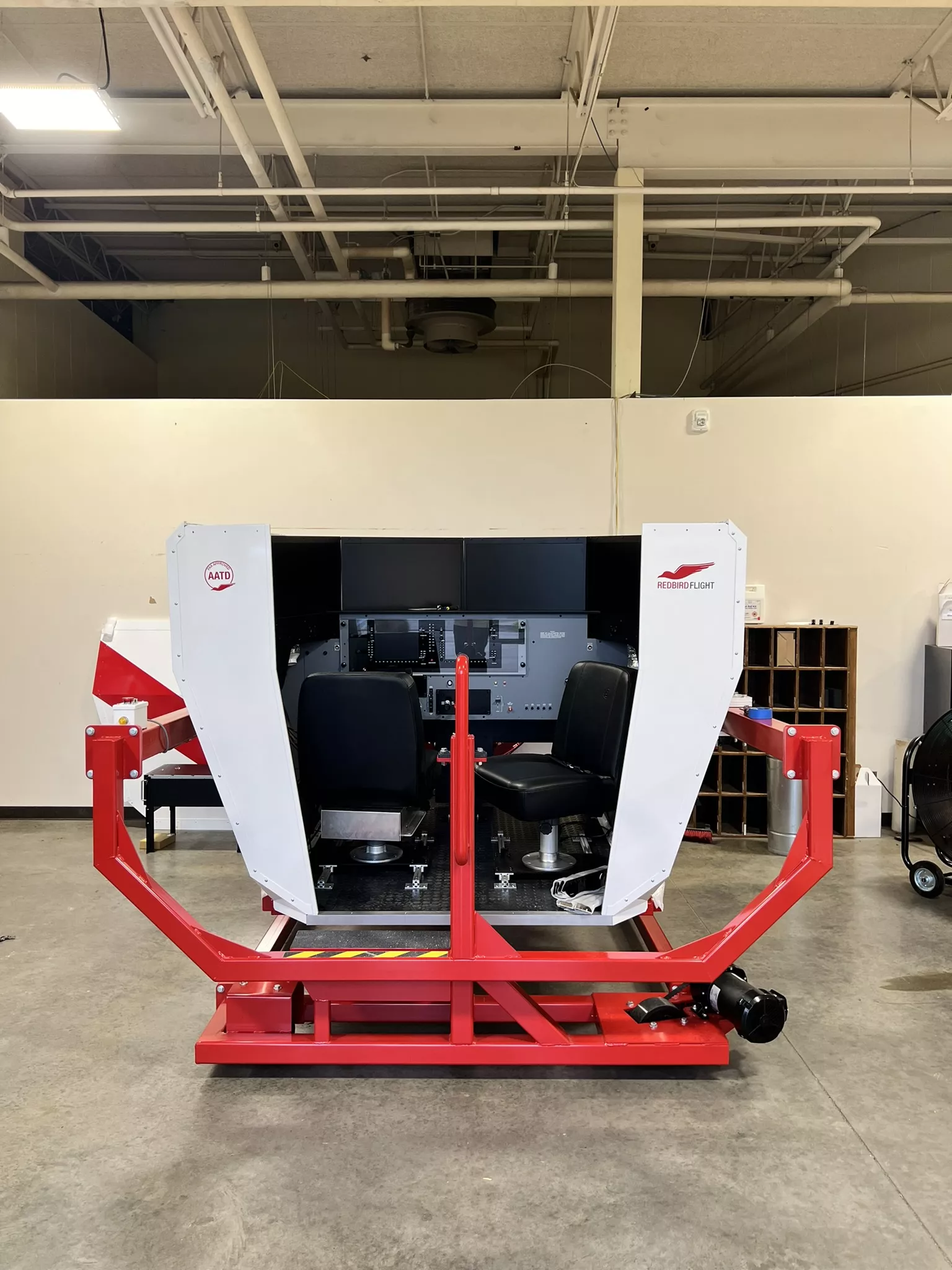
Once you qualify, the stage is a fixed amount of work. Our estimate covers 50 hours of remaining pilot-in-command (PIC) time, 30 dual hours in our Sling with an instructor, 27.5 hours in the Redbird simulator, 14 hours of pre-flight and post-flight instruction, and 30 hours of ground school. That adds up to more than 150 hours of airplane, simulator, briefing, and ground school time, finished with the FAA written test and your checkride.
You can see the full line-by-line estimate on our commercial pilot program page. Across 2 to 3 months, it works out to steady weekly work.
The Path From First Lesson to Checkride
The commercial stage moves through a handful of blocks, and several of them overlap. Here is how they fit together and what controls the speed of each.
| Block | What happens | What sets the pace |
|---|---|---|
| Ground school and the written test | You study commercial regulations, operations, and aerodynamics, then pass the FAA knowledge test | How soon you start and how steadily you study |
| Airplane flying | Dual lessons in our Sling and PIC time that builds your total | How often you book and how much weather allows |
| Simulator sessions | Procedure and maneuver rehearsal in the Redbird | Your schedule and your instructor’s plan |
| Checkride preparation | Mock oral, practice flight, and instructor sign-off | Whether each task is solid, not how many hours you have |
| Checkride | The FAA practical test with an examiner | Your calendar and the examiner’s |
The written test and the flying run side by side. A student who starts ground school in the first week has the knowledge test behind them while the airplane hours are still building. A student who waits until the end may find the written test is the last item between them and the checkride.
Your instructor’s sign-off is the finish line for training. Before the practical test, your instructor endorses you as ready, and the FAA also expects a block of test-prep training with an instructor in the 2 calendar months before the test.
Five Things That Move Your Timeline
Five factors shape the calendar, and each shows up differently.
Training frequency. How often you fly is the largest lever you control. Regular lessons let each flight build on the last, so your instructor teaches new material instead of rebuilding old habits.
Flight hours logged. The stage has a set workload, and your own logbook decides how much of it is left. If your logbook already covers part of the workload, less is left to fly.
Weather. Weather decides which days the airplane flies. When conditions are not safe, we reschedule your lesson at no charge, and we often turn that slot into ground instruction or a simulator session so the day still counts. Our post on understanding weather in flight training explains how those decisions get made.
Scheduling. Your work week, your instructor’s openings, and aircraft availability all have to line up. Booking several lessons ahead protects your rhythm.
Individual progress. Some maneuvers click quickly and others take extra practice. The goal is each commercial maneuver flown to standard, and we plan around where you are.
What Slows Students Down Before the Checkride
A few patterns stretch the calendar, and most of them are easy to see coming.
Long gaps between lessons come first. A lesson after weeks away starts with rebuilding, and that takes calendar time as well as money. A written test left until the end also holds things up, and so does a checkride date set before the maneuvers are solid.
The checkride also has a calendar of its own. The practical test is given by a designated pilot examiner or an FAA inspector, so the date depends on the examiner’s calendar as well as yours. Plan the date with your instructor early, then work backward from it.
How Your Timeline Connects to the Bill
At our posted rates, you pay for hours, not for weeks. Our aircraft rate is $185 an hour, instruction is $60 an hour, and the simulator is $50 an hour. A dual airplane hour is $185 for the aircraft and $60 for the instructor. A simulator hour is $50 for the simulator and $60 for the instructor. Rates and totals are estimates, so contact us to confirm current rates.
We plan on about $23,500 for the commercial stage if you already hold your Private and Instrument, and that figure moves with the hours you fly. You pay as you go, so the stage grows only as fast as your logbook does. For the full picture of spending, our post on how to lower the cost of commercial pilot training covers the levers.
Funding is part of the schedule too. Financing options through Stratus Financial may be available to qualified applicants, and applying early keeps money from becoming the reason for a pause. You can learn more on our financing page.
A Calendar You Can Hold: Five Steps Before Your First Lesson
A schedule you can keep beats a perfect one. Work through these steps before the stage begins.
- Check your prerequisites. Confirm your Private, Instrument, total hours, and medical, and total your logbook so the plan starts from real numbers.
- Choose a weekly rhythm you can hold for the whole stage, and book lessons ahead. If you commute from Kansas City, Wichita, or Omaha, stack your lessons on one day, or look at our limited on-airfield housing.
- Start ground school in week one, so the written test is finished while the flying builds.
- Pick a target checkride window with your instructor, then use the Airman Certification Standards as your checklist. The checkride is graded against it, and when every task meets the standard, you are ready.
- Keep a weather backup. Decide ahead of time that a cancelled flight becomes a simulator or ground session, and you protect momentum. Our flexible training options let you adjust the pace as life changes.
Frequently Asked Questions
How long does it take to get a commercial pilot license?
Most FlyTech students finish in 2 to 3 months, depending on training frequency, flight hours logged, weather, scheduling, and individual progress. Your plan starts once you meet the prerequisites for the stage.
What do I need before I start commercial pilot training?
You need a Private Pilot Certificate, an Instrument Rating, at least 250 total flight hours, a minimum age of 18, and a valid FAA medical certificate. Our general flight training FAQs cover common starting questions.
Can weather delay my commercial training?
Yes, weather decides which days the airplane flies. When a lesson is cancelled, we reschedule at no charge and often use the time for ground instruction or simulator work, so you keep moving.
Does flying more often make training shorter?
Regular flying helps because each lesson builds on the last, and your instructor spends less time on review. Frequency is the biggest factor you control, though your own progress sets the final date.
How does the timeline affect the cost of commercial flight training?
You pay for hours flown, not weeks passed, so the calendar affects cost when gaps add extra hours. We plan on about $23,500 for the commercial stage for a student with Private and Instrument, and you pay as you go.
Can I finance commercial pilot training?
Financing options through Stratus Financial may be available to qualified applicants. You can also pay as you go. Visit our financing page to get started.
Who gives the commercial checkride?
An FAA-designated pilot examiner or an FAA inspector gives the practical test, and it is graded against the Airman Certification Standards. Your instructor helps you prepare and endorses you when you are ready.
Map Your Commercial Calendar With Our Team
Your commercial stage is a calendar you can plan, and the plan starts with your logbook and your week. If you want a schedule built around your job, your budget, and your target checkride window, talk with our team about your commercial training and we will map it out together.

FlyTech Pilot Academy
Ready to take the next step in your aviation journey? Our team of expert instructors is here to guide you every step of the way. Whether you’re looking to earn your private pilot certificate or advance your skills with additional ratings, we’re here to help you achieve your goals.