Commercial Pilot Training Cost in 2026: Stage Only vs. From Zero
Published by:
FlyTech Pilot Academy
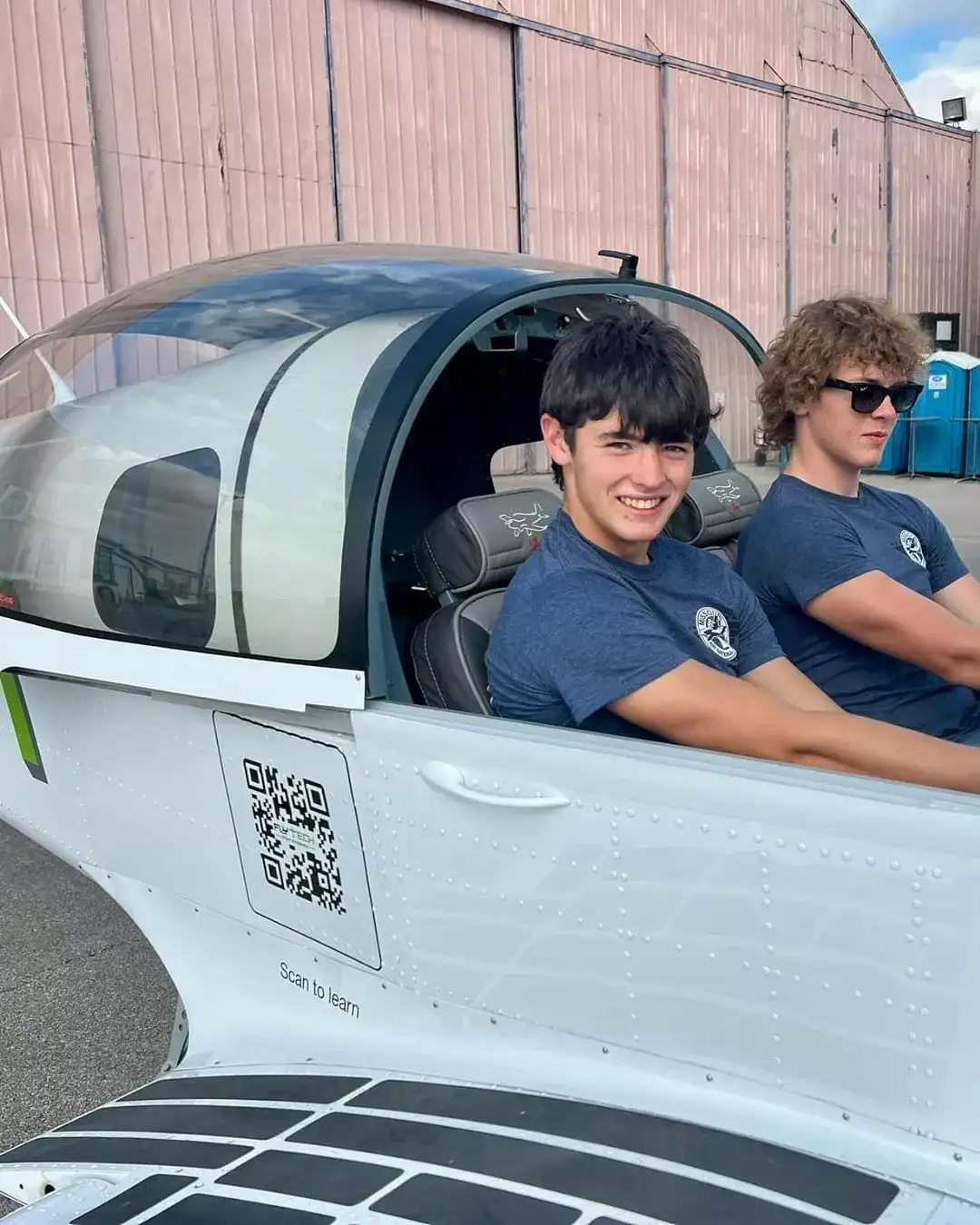
Picture two pilots at the ramp, both aiming for a commercial pilot certificate. One already holds a Private Pilot Certificate and an Instrument Rating. The other has never taken a lesson. The commercial pilot training cost looks different for each of them, and mixing the two up is the quickest way to budget wrong.
At FlyTech Pilot Academy, we plan on about $23,500 for the commercial stage if you already hold Private and Instrument. Starting from zero means paying for three stages in order: Private, Instrument, then commercial. This guide sets the two paths side by side so you can see which one is yours, what each stage costs, and how to pay for it. Our estimates move with the hours you fly.
Your Logbook Decides Which Path You Are On
The question behind “how much does it cost to get a commercial pilot license” is really “what do I already hold?” The commercial certificate sits at the end of a sequence, and the price you face is the price of the stages still in front of you.
Option A is the commercial stage only. You hold a Private Pilot Certificate and an Instrument Rating, and you are ready to train for the commercial certificate. Option B is zero to commercial. You earn the Private Pilot Certificate, then the Instrument Rating, then the commercial certificate, one stage after another.
Both paths end at the same checkride, which an examiner grades against the FAA’s Airman Certification Standards. The difference is how much road you still have to cover before you get there. If you are weighing the two certificates themselves, our post on private vs. commercial pilot license covers that contrast.
The Two Paths Side by Side
Here is how the paths compare on the points that shape a budget. Figures marked “about” are our estimates at posted rates.
| What you are comparing | Option A: commercial stage only | Option B: zero to commercial |
|---|---|---|
| Stages you still pay for | One: the Commercial Pilot stage | Three: Private Pilot, Instrument Rating, then Commercial |
| Cost you can plan around today | About $23,500 for the whole stage | Private and Instrument priced by the hours you fly, plus about $23,500 for the commercial stage |
| Typical time | 2 to 3 months | 3 to 6 months for Private, 2 to 4 for Instrument, then 2 to 3 for the commercial stage |
| What you need to start | Private, Instrument, 250 total hours, age 18, FAA medical | No prior certificates; each stage unlocks the next |
| Payment rhythm | Pay as you go through one stage | Pay as you go, with a decision point at each certificate |
| Best for | Pilots whose logbook already shows Private and Instrument | Newcomers building a professional path from the beginning |
Option B has three stages. The Private and Commercial stages have estimates below, and the instrument stage depends on how many hours you need.
What Option A Costs: One Stage, About $23,500
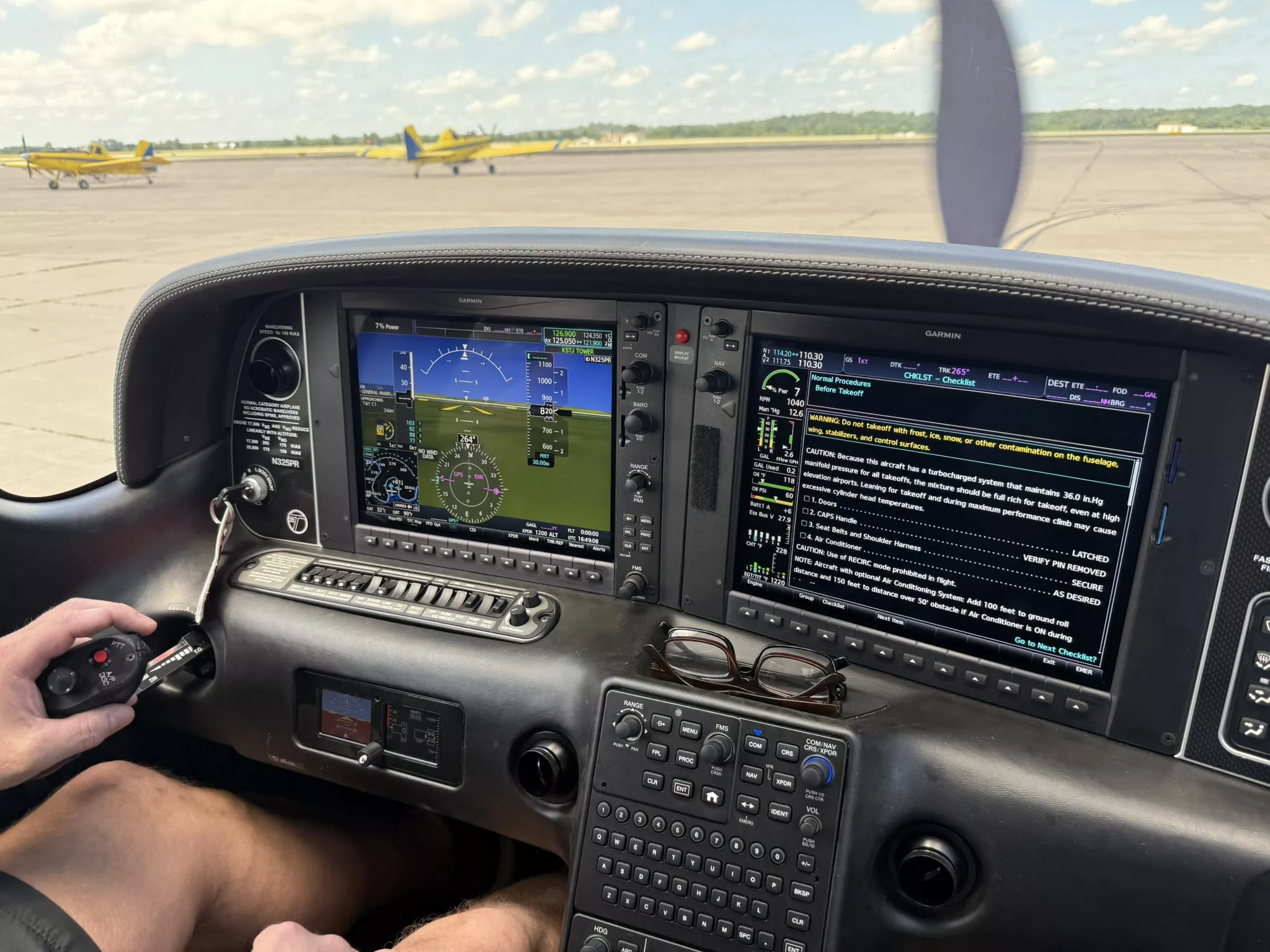
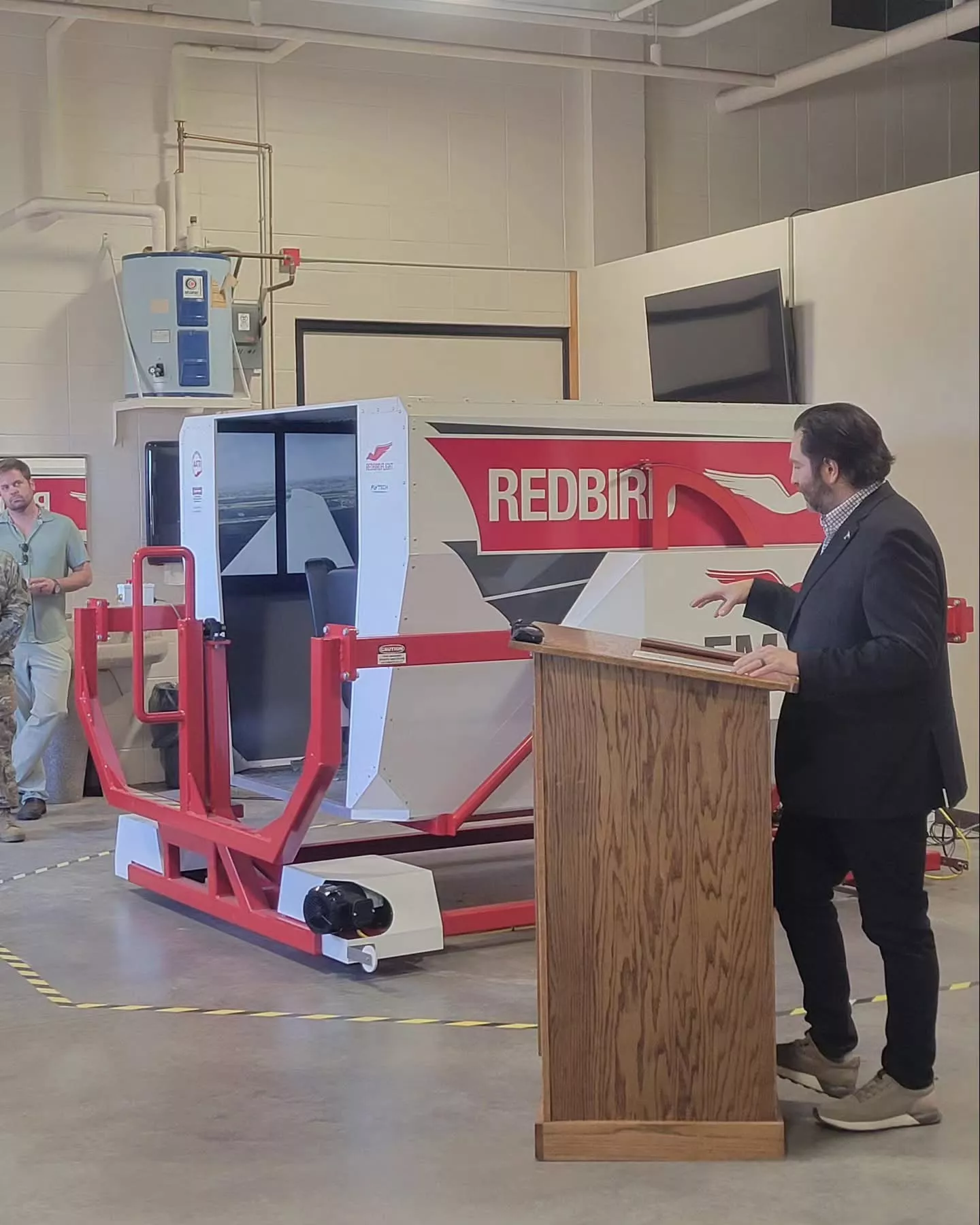
If you hold Private and Instrument, the commercial stage is the whole bill. We plan on about $23,500, which covers 50 hours of remaining pilot-in-command time, 30 dual hours in our Sling, 27.5 hours in the Redbird simulator with an instructor, 30 hours of ground school, and your FAA checkride. Our posted rates are $185 an hour for the aircraft, $60 an hour for instruction, and $50 an hour for the simulator.
The number moves with your hours. The stage assumes a certain amount of flying, and every airplane hour beyond it is priced at the same rates.
That brings up the 250-hour requirement. Your Private and Instrument hours count toward it, so the question is whether your logbook already shows enough. The FAA explains its hourly requirements for becoming a pilot in plain terms, and our post on what counts toward the 250 hours walks through the categories one by one.
What Option B Costs: Three Stages, Priced in Parts
Starting from zero, you carry the cost of every certificate on the way. Here is what we can say for each part.
Private Pilot: priced by the hours you fly. Contact us for a personalized estimate for the Private Pilot Certificate. Most students finish in 3 to 6 months. You can dig into the line items on our private pilot program page.
Instrument Rating: priced by the hour. The FAA requires 40 hours of actual or simulated instrument time, and your own hours depend on how fast the skills come together. Here are the rates for this stage. An hour is $185 for the aircraft and $60 for the instructor. An hour in the simulator is $50 for the simulator and $60 for the instructor. If you train in your own airplane, instruction is $60 an hour, and there is a separate one-time $249 registration and insurance fee. Most students finish this stage in 2 to 4 months. Contact us for a personalized estimate built from your hours and your plan.
Commercial stage: about $23,500. Same stage, same numbers as Option A, and it is where the hours you logged earlier pay off. Every Private and Instrument hour counts toward the 250 total, so the earlier stages build the base this one needs.
Who Each Path Fits
Both paths are real, and each fits a different pilot. Pick the one that matches your logbook and your goals.
Choose Option A if your logbook already shows Private and Instrument and you want the shortest road to a commercial certificate. This path suits pilots who earned their ratings elsewhere, returning pilots who want to go professional, and anyone with the hours in hand. You face one stage, one set of rates, and a typical 2 to 3 months.
Choose Option B if you are starting fresh, or you hold a Private certificate and still need Instrument. This path suits career changers and recent graduates who want one school and one plan from the first lesson. You trade a longer calendar and more stages for a coach who knows your habits from day one. Our post on how long commercial pilot training takes shows what the final stage looks like week by week.
A pilot who holds Private but not Instrument sits in between. You pay for the instrument stage and the commercial stage, and you skip the Private figure entirely.
How to Pay Stage by Stage
Pay as you go is the backbone of both paths. At FlyTech Pilot Academy, you pay as you fly instead of in one large upfront payment, so each lesson is a small, visible cost. Bulk time can also be purchased at discounted rates, and financing options through Stratus Financial may be available to qualified applicants. Our financing page has the details and a request form.
Option B’s structure helps here, because each certificate is a finish line. You can decide how to fund the next stage when you reach it. You can also spend less within a stage by choosing the right work for the simulator and flying on a steady schedule, which our post on how to lower the cost of commercial pilot training explains in depth. Contact us to confirm current rates and bulk-time options.
Frequently Asked Questions
How much does commercial pilot training cost at FlyTech?
If you already hold Private and Instrument, we plan on about $23,500 for the commercial stage. You pay as you go, and the itemized numbers are on our commercial pilot program page.
How much does it cost to get a commercial pilot license from zero?
Starting from zero means three stages: the Private Pilot Certificate, an instrument stage, and about $23,500 for the commercial stage. We do not combine them into one total because the first two depend on your hours. Contact us and we will build a personalized estimate.
What do I need before I start the commercial stage?
You need a Private Pilot Certificate, an Instrument Rating, at least 250 total flight hours, a minimum age of 18, and a valid FAA medical certificate. Our flight training FAQs cover the basics for every stage.
Do my Private and Instrument hours count toward the 250?
Yes. Time you log during earlier training counts toward the 250-hour total, although each specific requirement still needs the right kind of time. The hour requirements post breaks it down.
Can I finance the whole path?
Financing options through Stratus Financial may be available to qualified applicants, and you can also pay as you go or buy bulk time at discounted rates. Visit our financing page to learn more or send a request.
How long does each path take?
The commercial stage takes most students 2 to 3 months. From zero, add 3 to 6 months for Private and 2 to 4 months for Instrument. Weather, scheduling, and how often you fly all affect the calendar.
Get a Personalized Estimate for Your Path
Your logbook tells us which path you are on, and your hours tell us what the instrument stage will cost. If you want a plan built around your schedule and budget, contact our team and bring your logbook. We will look at what you already hold, price the stages still ahead, and map your next step.
FlyTech Pilot Academy
Ready to take the next step in your aviation journey? Our team of expert instructors is here to guide you every step of the way. Whether you’re looking to earn your private pilot certificate or advance your skills with additional ratings, we’re here to help you achieve your goals.