The Hidden Costs of Getting a Private Pilot License (And How to Budget for Them)
Published by:
Lute Atieh
When you sit down to calculate the cost of getting a private pilot license, the intuitive formula seems straightforward: calculate dual instruction and aircraft time across the required flight hours.
While that basic calculation gives you an initial starting point, it leaves out several essential ancillary expenses that every student pilot encounters along the way. In aviation, running into unexpected third-party fees halfway through your syllabus is one of the most common reasons students pause lessons or experience budget fatigue.
To help you build an airtight budget from Day 1, here is a transparent breakdown of the hidden expenses in flight training and the exact steps you can take to keep your total investment manageable.
1. Designated Pilot Examiner (DPE) Practical Exam Fee
Your FAA practical test (checkride) consists of an in-depth oral examination and an evaluation flight. This exam is conducted by an independent FAA Designated Pilot Examiner (DPE), not by your flight school.
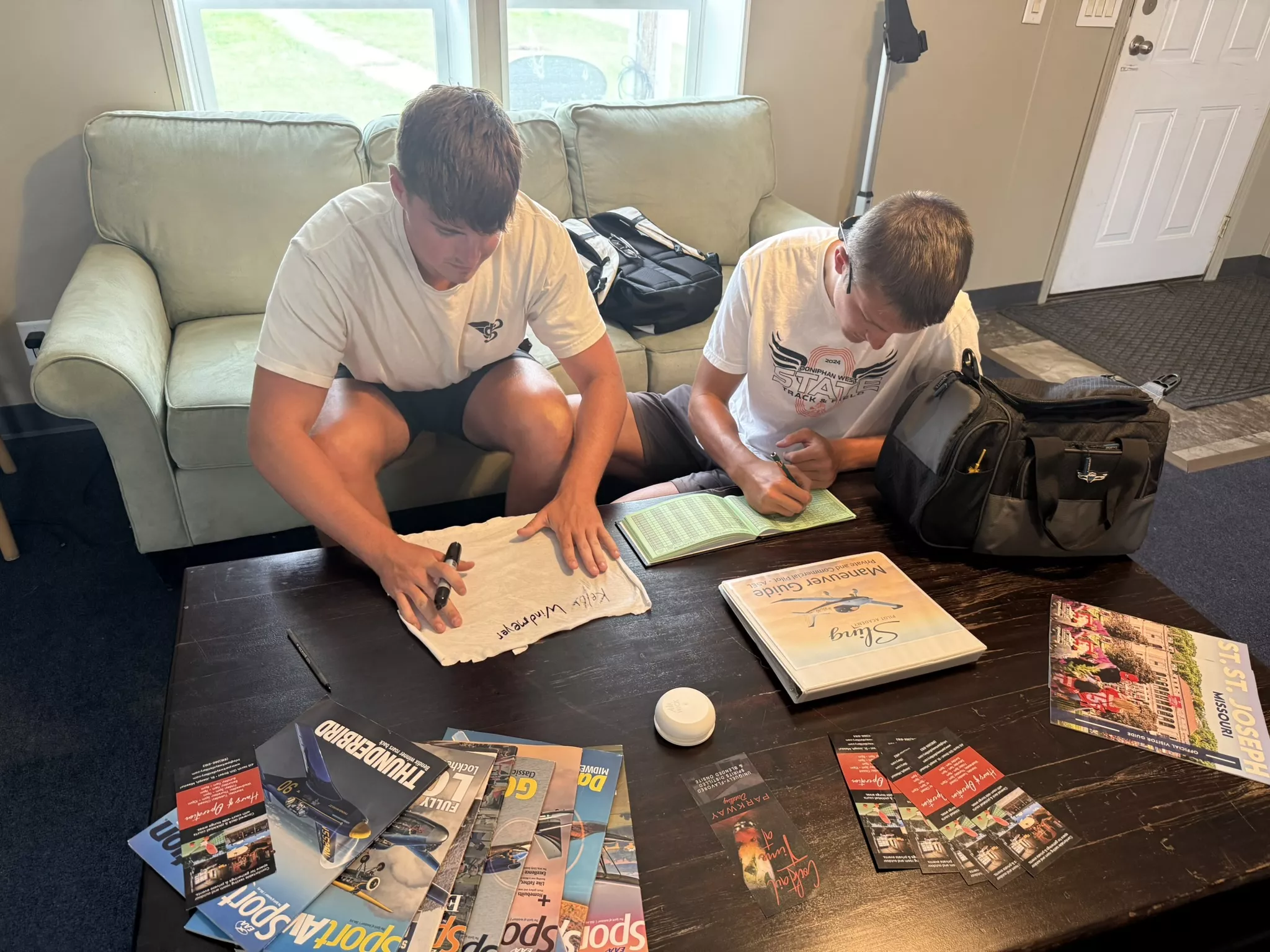
DPEs set their own independent fee schedules for conducting practical tests. Because this fee is paid directly to the examiner on the day of your checkride, it rarely appears on introductory flight school quotes. You can review our FAA checkride ground school prep guide for practical strategies to ace your oral exam on the first attempt.
Budget Strategy: Set this examiner fee aside early in your training so that scheduling your practical test feels like an exciting celebration rather than a sudden financial hurdle.
2. FAA Aviation Medical Examination
Before you can fly solo in a standard category aircraft, you must pass a physical examination administered by an FAA-authorized Aviation Medical Examiner (AME).
For private pilot privileges, an FAA Third-Class Medical Certificate is required. The exam verifies eyesight, hearing, cardiovascular health, and general physical fitness. AME visits are out-of-pocket expenses because standard health insurance policies rarely cover FAA licensing physicals. If you prefer a pathway that uses a driver’s license in lieu of an FAA medical, explore our Sport Pilot Certificate program.
Budget Strategy: Schedule your AME appointment before starting intensive flight lessons to ensure medical paperwork never holds back your first solo flight.
3. FAA Written Knowledge Test Proctoring Fee
Before taking your checkride, you must pass the 60-question FAA Private Pilot Airplane (PAR) computer-based knowledge test.
This exam is proctored at authorized testing facilities (such as PSI testing centers) and carries a standard registration fee. If you need to retake the test, you must pay the fee again. Enrolling in our structured ground school sessions provides the core aeronautical foundation you need to pass confidently on your first try.
4. Aviation Headset and Essential Student Flight Gear
While we offer loaner headsets for introductory discovery flights, serious student pilots need dedicated personal aviation gear for long-term comfort, crisp radio calls, and hearing protection.
Your student gear checklist includes:
- Aviation Headset: Passive noise reduction (PNR) headsets offer an affordable entry point, while premium Active Noise Reduction (ANR) models deliver superior comfort and engine noise suppression.
- Electronic Flight Bag (ForeFlight): ForeFlight on an Apple iPad delivers digital navigation charts, real-time GPS tracking, and weather briefings directly into the cockpit.
- Flight Bag, Fuel Tester, and Logbook: Essential flight line tools for daily pre-flight walkarounds and legal hour logging.
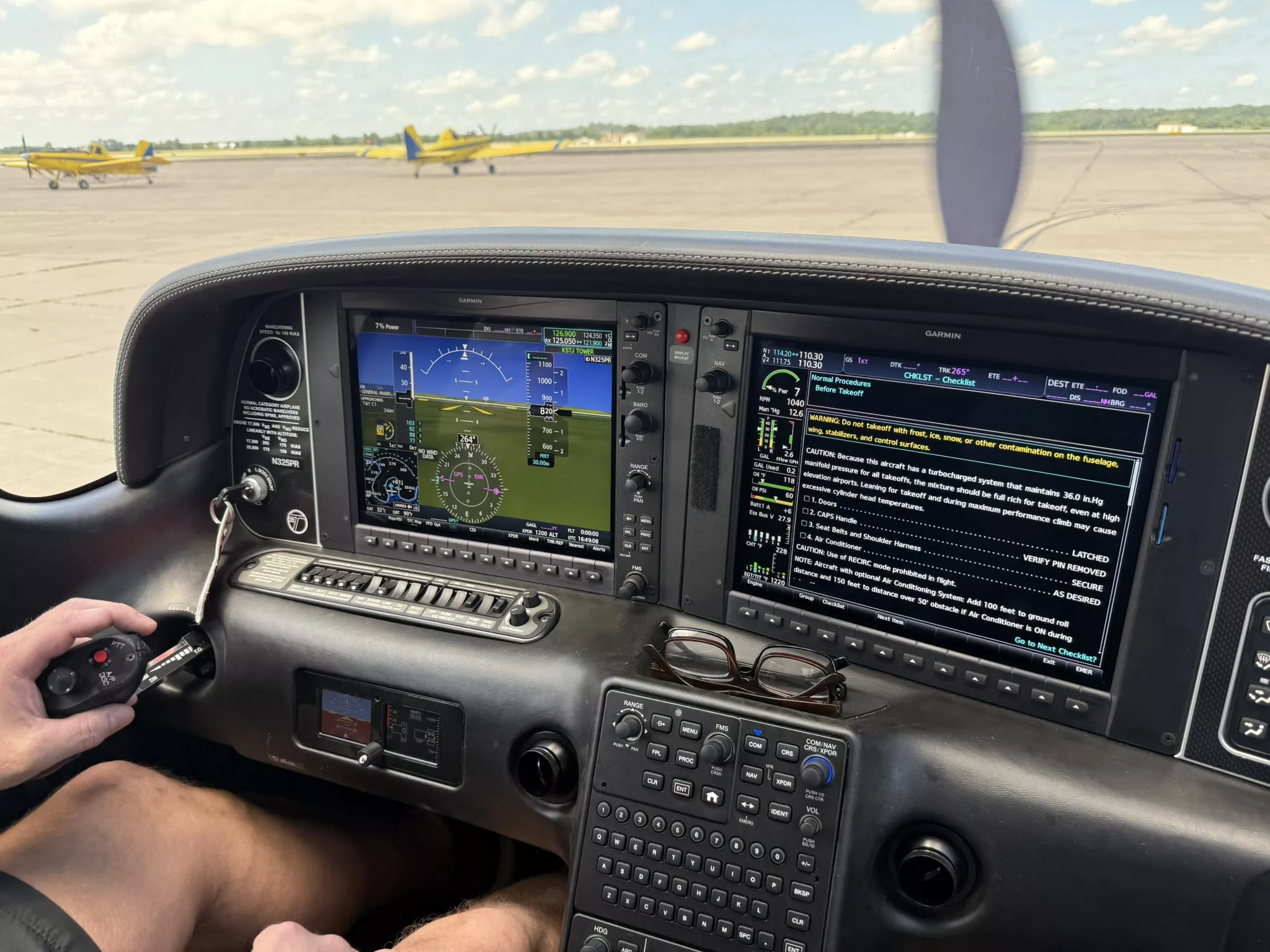
You can inspect our modern cockpit configurations on our fleet page.
5. Pre-Flight and Post-Flight Ground Briefings
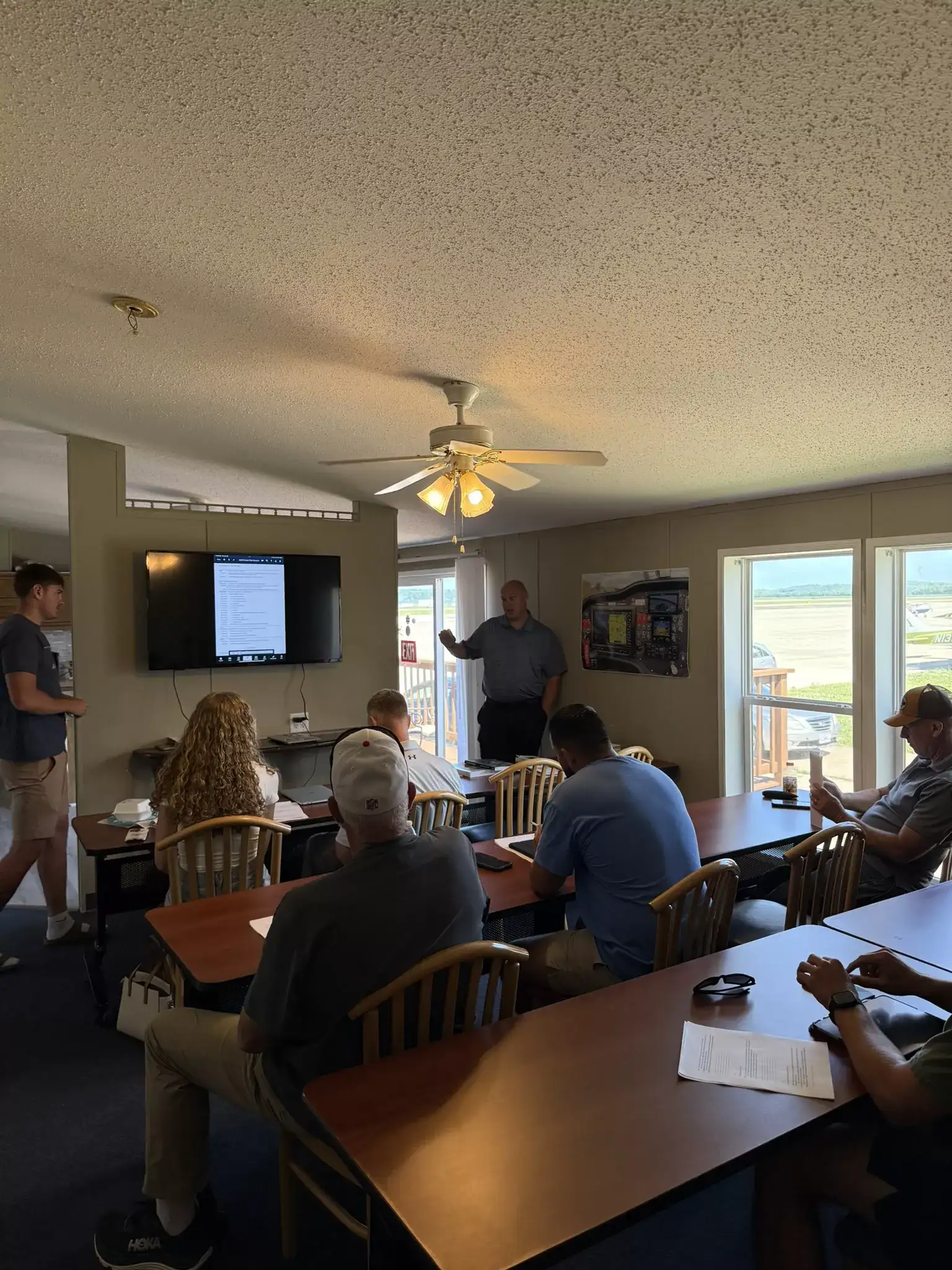
Flight instruction involves more than just the time when the airplane engine is running. Before each lesson, your instructor will spend 15 to 30 minutes briefing weather, NOTAMs, and flight training objectives. After landing, you will spend another 15 to 20 minutes reviewing performance and logging flight hours.
Because instructor briefing time is billed for one-on-one instructional expertise, budgeting for pre- and post-flight ground briefings across your syllabus ensures total invoice clarity. For an itemized look at training requirements, review our private pilot certificate requirements and overview.
How to Protect Your Budget and Avoid Cost Overruns
Understanding the full financial picture is the first step toward smart budgeting. Here is how proactive students keep flight training efficient and affordable:
- Fly Consistently (2–3 Times Per Week): Flying once every few weeks causes skill rust, forcing you to spend flight time repeating old maneuvers. Consistent flying builds muscle memory faster and reduces total hours.
- Chair-Fly on the Ground: Mentally rehearsing cockpit flows, radio calls, and emergency procedures at home costs nothing and accelerates in-flight progress.
- Explore Flexible Financing: If paying out-of-pocket feels restrictive, explore flight training financing options through Stratus Financial. Financing allows you to maintain an accelerated training schedule without cash-flow pauses.
- Consult Transparent Program Details: Compare our detailed private pilot certificate overview, read our in-depth Private Pilot License Cost Guide, and browse our frequently asked questions about private pilot training costs.
Ready to Take Flight?
At FlyTech Pilot Academy in Saint Joseph, Missouri, we take pride in honest conversations and clear budgeting guidance. When you know exactly what to expect, you can focus on the thrill of mastering the aircraft and earning your wings.
Take your first step toward the left seat today: book an introductory discovery flight and meet our dedicated instructor team at Rosecrans Memorial Airport.

FlyTech Pilot Academy
Ready to take the next step in your aviation journey? Our team of expert instructors is here to guide you every step of the way. Whether you’re looking to earn your private pilot certificate or advance your skills with additional ratings, we’re here to help you achieve your goals.