Comprehensive Aviation Cost Pillar Guide
Private Pilot License Price & Cost Breakdown
Planning your flight training budget? This definitive pillar guide provides complete financial transparency, covering real-world flight hour budgets, simulator cost reductions, third-party examiner fees, and flexible financing at FlyTech Pilot Academy.
The Cost-Efficiency Advantage
How FlyTech Delivers Maximum Training Value
Located at Rosecrans Memorial Airport (KSTJ) just north of Kansas City, FlyTech Pilot Academy combines modern glass-cockpit aircraft, full-motion simulation, and uncongested airspace to maximize your training efficiency compared to traditional legacy flight schools.
Full-Motion Redbird MCX Simulator Savings
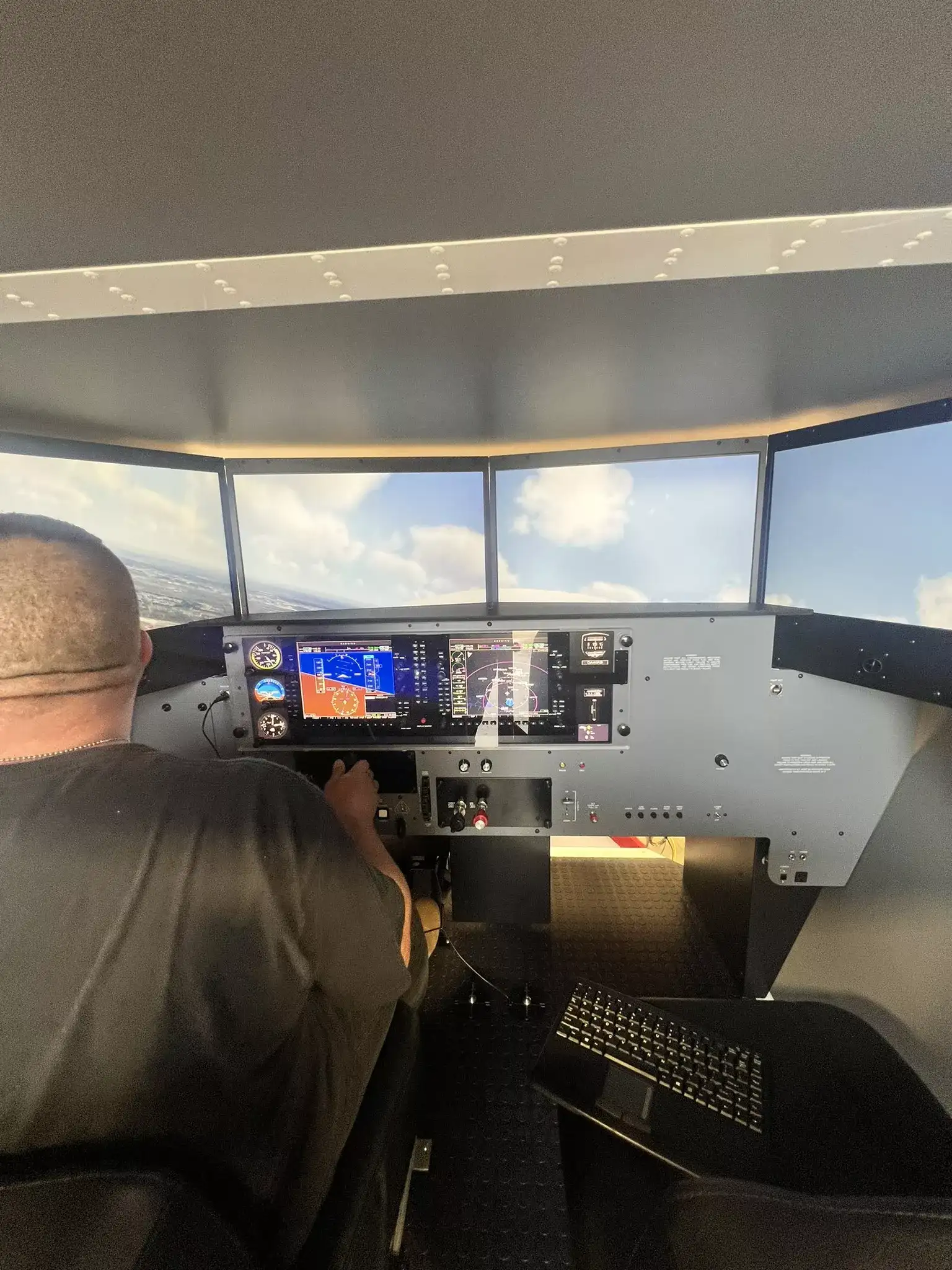
Master emergency procedures, steep turns, and instrument scans in our FAA-approved full-motion simulator at a fraction of aircraft operating costs.
Modern Sling NGT Glass-Cockpit Fleet
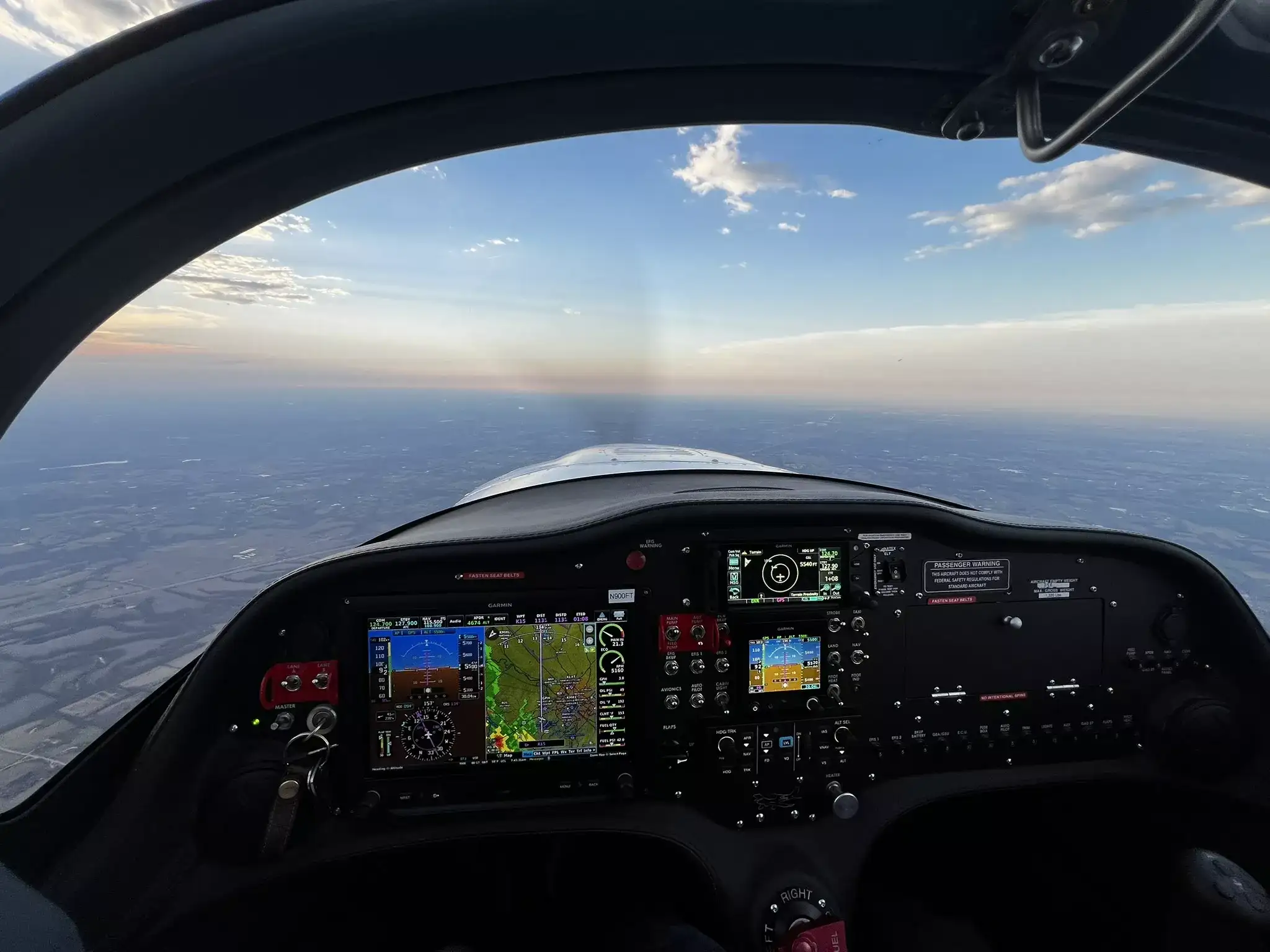
Train in modern Rotax-powered aircraft with Garmin G3X touchscreens, maximizing fuel efficiency and preparing you for advanced avionics from day one.
Zero Airspace & Taxi Delay Costs
Avoid idling on expensive taxiways. Our operations at KSTJ provide full ATC tower communication with immediate runway access, so every dollar goes toward actual flight learning.
Flexible Financing via Stratus Financial
Access comprehensive flight training loans, deferred payment schedules during training, and zero penalty for early payoff.
Step-by-Step Training Milestones
The Private Pilot Cost & Training Roadmap
Earning your Private Pilot Certificate is a structured journey divided into five clear phases. Here is how your flight hours and investment translate into aeronautical mastery.
1. Discovery Flight & Ground Preparation
Begin with a hands-on introductory flight and complete your FAA student pilot application and medical exam. Read our guide on The Hidden Costs of Getting a Private Pilot License.
Schedule Discovery Flight2. Pre-Solo & Maneuver Mastery
Build fundamental aircraft control: steep turns, slow flight, stall recoveries, and traffic pattern takeoffs and landings in our Sling NGT and Redbird MCX simulator. Explore our Private Pilot Course.
Private Pilot Program3. First Solo & Cross-Country Navigation
Achieve the unforgettable milestone of your first solo flight, followed by cross-country flight planning, VFR pilotage, dead reckoning, and radio navigation across the Midwest.
Ground School Strategy4. Night Flying & Simulated Instrument Operations
Learn night flight physiology, illuminated airport navigation, and basic instrument flying under simulated conditions. Discover how simulators reduce costs in our Simulator Cost Savings Breakdown.
Simulator Savings Guide5. Checkride Preparation & Practical Test
Polish practical maneuvers with mock checkrides and complete your oral exam prep before meeting your Designated Pilot Examiner (DPE) to earn your FAA certificate.
Checkride Prep GuideIn-Depth Cost Pillars
Understanding Every Element of Your Pilot Budget
Smart flight planning starts with complete pricing transparency. Rather than relying on generic estimates, understand how flight hours, aircraft rental, briefing time, and testing fees interact.
At FlyTech, we break down costs honestly so you can budget with total confidence. Check out our Private Pilot Cost FAQs Hub or explore Flight Training Financing Options.
Core Budgeting Factors to Consider
- Realistic Flight Hours (FAA 40-hr Min vs 55-60 hr Average)
While FAA Part 61 sets a statutory minimum of 40 hours, national data shows most students finish in 55–60 hours. Budgeting realistically prevents unexpected financial pauses midway through training.
- Simulator Credit & Hourly Savings
Renting our Redbird MCX simulator offers significant hourly savings over aircraft rental while enabling rapid maneuver repetition, emergency drills, and weather-proof training continuity.
- Ancillary & Third-Party Testing Fees
Remember to budget for DPE checkride fees, FAA written exam fees, AME medical exams, and personal aviation headsets.
- Transparent Pay-As-You-Go vs Financing
FlyTech never demands large upfront tuition deposits. Pay per lesson or leverage flexible financing through Stratus Financial to train at an accelerated pace.
Start Your Flight Training with Full Financial Clarity
Earning your Private Pilot License is an investment in freedom, career advancement, and personal achievement. With honest budgeting guidance, modern aircraft, and simulation support, FlyTech ensures you reach your goals efficiently.
Browse our dedicated Private Pilot Cost FAQs or contact our flight training team to get started.
Fly with FlyTech Pilot Academy
Where Excellence Takes Flight
Take Command of Your Aviation Future
Experience the FlyTech advantage firsthand. Fly in modern glass-cockpit aircraft, master procedures in full-motion simulators, and train with dedicated instructors who care about your success.
Cost & Pricing Questions
Frequently Asked Questions About Private Pilot License Pricing
Here are the most common questions regarding private pilot budgeting, aircraft rental, simulator savings, and financing options at FlyTech Pilot Academy.
For more information, visit our Dedicated Private Pilot Cost FAQ Page.
- 01
What are the common hidden costs in flight training?
- Ancillary costs not included in basic aircraft rental include the Designated Pilot Examiner (DPE) checkride fee, FAA written knowledge exam fee, FAA medical exam, personal aviation headset, and ForeFlight subscription. Read our full breakdown in The Hidden Costs of Getting a Private Pilot License.
- 02
Does FlyTech offer flight training financing?
- Yes! FlyTech partners with Stratus Financial to offer comprehensive flight training loans with low monthly payments, deferred payment options during training, and zero prepayment penalties. Explore our Financing Page.
- 03
Do I have to pay the entire tuition upfront?
- No. FlyTech operates on a transparent pay-as-you-go model. You only pay for the plane time, simulator hours, and instructor instruction used at the end of each flight lesson.
- 04
How does a Sport Pilot Certificate compare in cost to a Private Pilot License?
- A Sport Pilot Certificate requires only 20 minimum flight hours (half the requirement of a private pilot) and allows you to fly Light Sport Aircraft (LSA) like our Sling NGT using a driver's license in lieu of an FAA medical. All logged hours can apply toward your Private Pilot Certificate later. View our Sport Pilot Program.
- 05
What are wet vs. dry aircraft rental rates?
- A 'wet' rental rate includes fuel in the hourly price, while a 'dry' rate charges separately for fuel. FlyTech quotes all-inclusive wet rental rates on our modern fleet, protecting you from airport fuel pump price spikes during your lessons.
- 06
How many times per week should I fly to keep costs low?
- We strongly recommend flying 2 to 3 times per week. Flying regularly builds muscle memory faster, reduces the need for review time, and helps you finish with fewer total flight hours, saving substantial training expenses.
If you have any additional questions please send us an email to Contact Us