Accelerated vs. Part-Time Sport Pilot Training in 2026
Published by:
FlyTech Pilot Academy
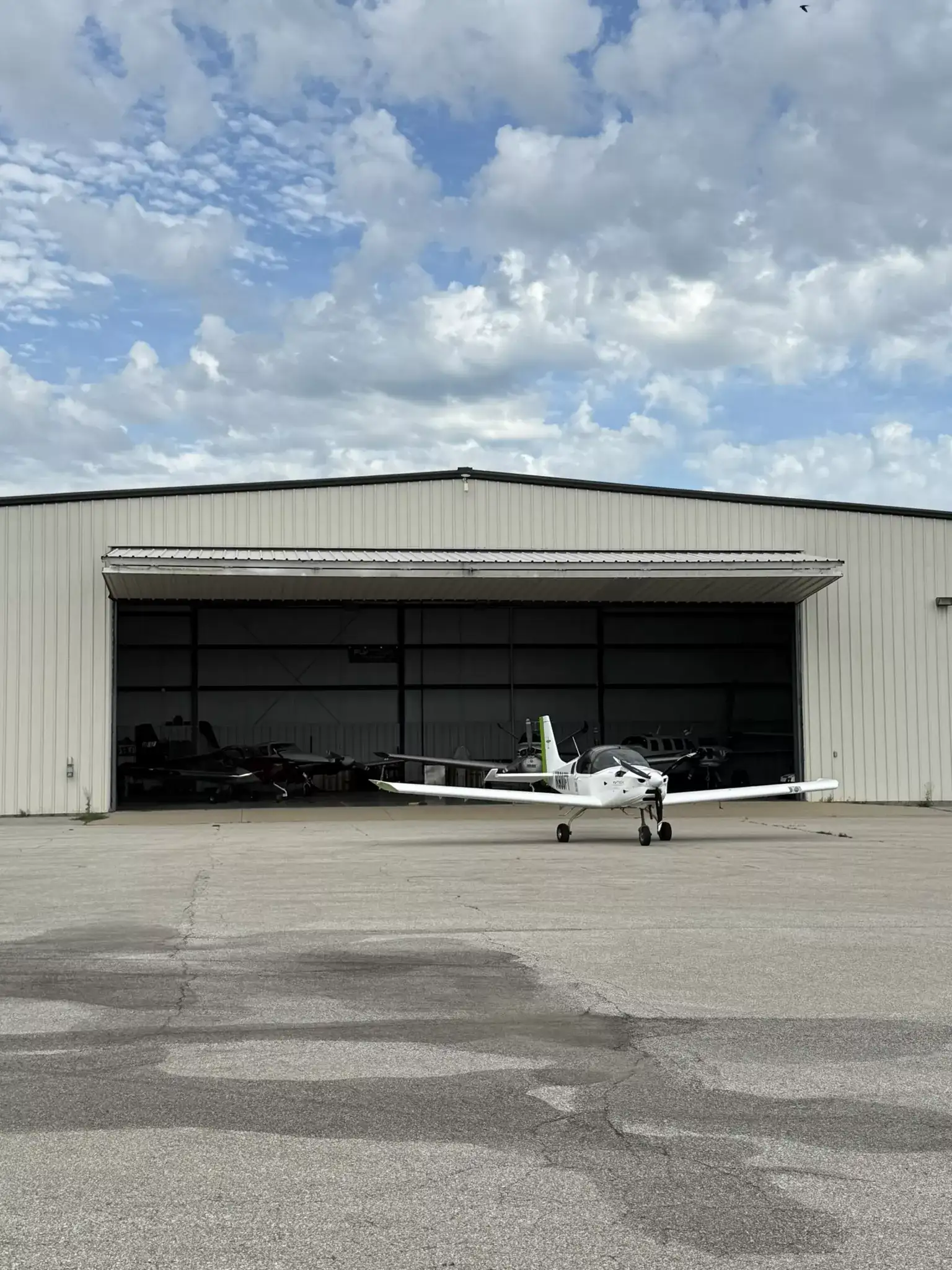
Picture two students in the same Sling LSA on the same ramp in St. Joseph. One flies most days of the week and holds a Sport Pilot Certificate about a month after starting. The other flies two or three times a month around a full-time job and finishes in about six months. They fly the same airplane, meet the same FAA minimums, and take the same checkride. The difference is the calendar, and it affects more than the finish date.
If you are weighing accelerated sport pilot training against a part-time schedule, the short answer is that accelerated suits people who can clear their life for a few weeks, and part-time suits people who need flying to fit around work and family. At FlyTech Pilot Academy, we train sport students at both paces, and there is no set pace you have to follow. Below, we put the trade-offs side by side so you can choose the one your life can actually hold. You can see the full program on our Sport Pilot Certificate page.
The Two Paces Side by Side
Each pace trades something away. Part-time costs you calendar time, and accelerated asks for a few weeks of nearly everything else.
| What you are weighing | Part-time | Accelerated |
|---|---|---|
| Program | Sport Pilot Certificate | Sport Pilot Certificate |
| Typical time to finish | About six months at two or three lessons a month | About one month for a candidate who clears the calendar |
| How often you fly | A few lessons a month | Most days of the week |
| Review at the start of lessons | More likely after long gaps | Less, because the last lesson is fresh |
| How the cost lands | Pay-as-you-go invoices spread over months | The same invoices packed into a few weeks |
| Weather risk | Absorbed over many months | A few bad days take a bigger bite |
| Load on your life | Fits around a job and family | Close to a full-time commitment |
| Where you sleep | At home, with a drive to KSTJ | Home if you are close, or a room near the field |
Six months is our typical part-time pace, and your schedule, the weather, and your study time move it. About a month is realistic for the right candidate, and weather can stretch it. For a close look at what the sprint involves day to day, read how to earn your Sport Pilot Certificate in one month.
Why Both Paces End at the Same Checkride
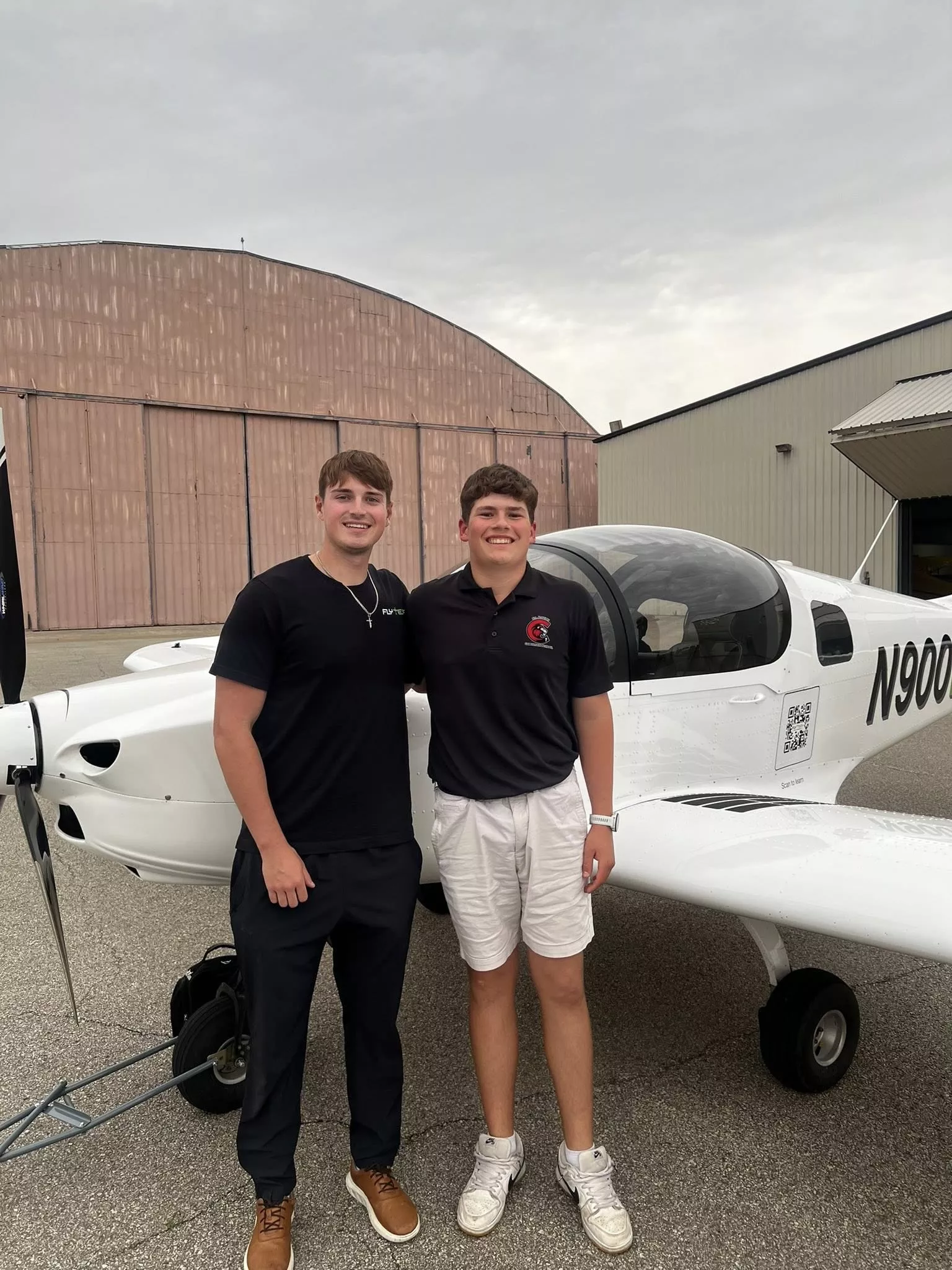
Speed does not change the standard. Every sport student meets the same FAA minimums: at least 20 hours of flight time, with at least 15 hours of instruction and at least 5 hours solo, including a solo cross-country. You also pass the FAA knowledge test and a practical test with an examiner, as the FAA lays out on its Sport Pilot certification page.
Twenty hours is the FAA minimum, and many students need more at either pace, and your instructor signs you off when you are ready. The phases you move through, from first landings to first solo to checkride prep, are the same in a four-week plan and a six-month plan. Our week-by-week sport pilot lesson guide walks through each one.
Two rules show how pace and regulation interact. Before you fly the checkride, you need at least 2 hours of checkride-prep training within the 2 calendar months before the test month, so a part-time student bunches that prep near the end. And your solo endorsement is good for 90 days at a time, so on a longer schedule your instructor renews it as you go.
How Time Between Lessons Changes Your Hours
Skills you build in the airplane fade when you stop using them. Say you fly on a Tuesday evening, then work, travel, and weather keep you on the ground for three weeks. When you climb back in, the first part of that lesson often goes to finding the landing picture again instead of learning something new.
That review is useful flying, but it is still billed time. As a general tendency, students who fly in a steady rhythm spend less of each lesson catching up, and students with long gaps spend more. It varies a lot from person to person, so we will not hang a number on it. What we can tell you is that consistency matters more than speed. An even rhythm of lessons usually serves you better than a burst of four followed by a month off.
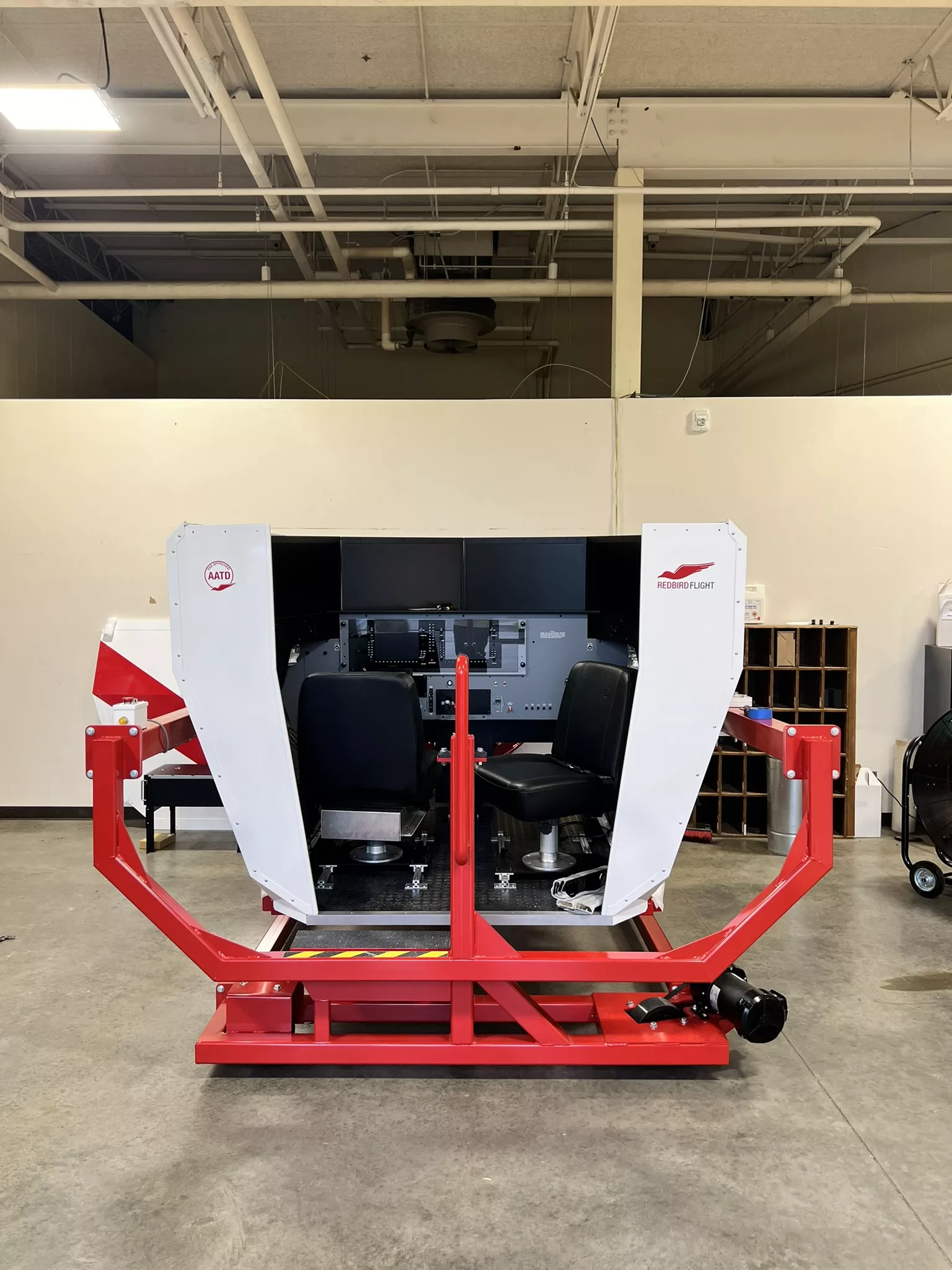
When you fly most days on an accelerated schedule, yesterday’s lesson is still fresh, and each flight builds on the last one without a warm-up. Part-time students can get much of the same benefit by keeping their lessons evenly spaced and studying between flights. A rainy-day session in our Redbird simulator also helps keep procedures sharp. Our post on how simulator time lowers training costs shows how sim time fits into a training plan.
What Each Pace Means for Your Budget
Our estimate for the full Sport Pilot Certificate is around $8,500, paid as you go. That figure is an estimate, and your total depends on how many lessons you need. Pace changes when the invoices arrive, and the rates stay the same.
Lessons are built from posted hourly rates: $185 an hour for the airplane with fuel included, $60 an hour for your instructor, $50 an hour for the simulator, and $30 an hour for group ground school. Contact us to confirm current rates before you plan a big block. Our sport pilot lesson cost breakdown shows how a single lesson adds up.
On a part-time schedule, you pay for a few lessons a month, which fits a monthly budget more easily. On an accelerated schedule, nearly the whole cost lands within a few weeks, so you want the money ready before you start. Either way, financing options may be available: you can buy bulk time at discounted rates, apply through Stratus Financial or AOPA for recreational flyers, or look at a loan from a local bank. Our financing page explains each option.
How Weather and Scheduling Hit Each Pace
Weather treats the two paces very differently. Picture a gray front parked over St. Joseph for three days in week two of a one-month plan. You just lost a real chunk of your sprint, while the same three days on a six-month schedule barely register, because you had only one lesson booked that week anyway.
We reschedule weather cancellations at no charge, and we often turn the slot into ground work, a simulator session, or a review of maneuvers. That keeps you moving, but it cannot fly your solo cross-country for you. If you choose the accelerated path, build in buffer days and keep your end date flexible. Our guide to understanding weather in flight training explains why some days stay on the ground.
Scheduling works differently too. Part-time students book lessons online any time and give at least 24 hours’ notice for non-weather cancellations. Accelerated students do best when they plan a block of dates with us in advance, so the airplane and an instructor are lined up for the days you need. Contact us before you pick your dates so we can build that block with you.
The Load Each Pace Puts on Your Life
Flying most days is exciting, and it is also tiring. Each lesson means a briefing, the flight, a debrief, and study time that evening for the next lesson and the knowledge test. A tired brain learns less, and the FAA treats fatigue as a real safety factor in its Pilot’s Handbook of Aeronautical Knowledge. On an accelerated plan, if you show up worn out, your instructor may swap a flight for ground work, which is the right call.
That is why the accelerated path is very hard to pair with a full-time job. It works best for people with a stretch of open time: a summer break, time between jobs, a sabbatical, or a block of saved vacation. You also need the people around you on board, because for a few weeks aviation comes first.
Part-time training asks for less each week and more patience overall. You keep your job, your evenings, and your weekends mostly intact. The risk is drift: a busy month at work turns into a six-week gap. Part-time works best when you treat lessons like appointments you do not move.
Where Out-of-Town Accelerated Students Stay
We train at Rosecrans Memorial Airport (KSTJ) in St. Joseph, about 45 to 60 minutes from Kansas City. For a part-time student in the metro, that drive is easy to plan around, especially if you book back-to-back lessons on the same day. A Saturday with two lessons makes every trip worth it. Our Kansas City pilot training page covers the commute.
For an accelerated student, an hour each way on most days adds up fast. That is where our limited on-airfield housing helps. The rooms are private and furnished, with a bed, a study desk, and high-speed internet, so you can walk to the ramp in the morning and review the next lesson at night. We can also help you find options off the airport. Rooms are limited, so contact us for current availability on our student housing page.
Decision Guide: Which Pace Fits You?
Read both lists and count which one sounds more like your life right now.
Accelerated sport pilot training fits you if:
- You can clear about a month, with a few buffer days, and treat flying as your main job.
- You have the full training budget ready, or financing lined up, before day one.
- You enjoy intense focus and recover well after long days.
- You live close to KSTJ, or you can stay near the field.
Part-time sport pilot training fits you if:
- You work full time or have family commitments that come first most weeks.
- You prefer to pay as you go over several months.
- You can protect two or three lessons a month, evenly spaced, without long gaps.
- You want time to absorb each lesson and study at your own speed.
You can also mix the two. Some schedules start part-time and finish with a focused block, or start with a concentrated stretch and slow down later. Because there is no set pace, we can help you design a plan that fits your calendar and your budget. If you are still comparing schools, our list of 7 questions to ask before you enroll can help.
Frequently Asked Questions
Is a fast track sport pilot certificate the same as one earned part-time?
Yes. The certificate is identical. You meet the same FAA minimums and pass the same knowledge test and checkride at either pace. Our light sport pilot training FAQ answers more questions about the certificate itself.
Does accelerated training cost less?
The rates are the same at either pace, and our estimate for the certificate is around $8,500, paid as you go. Steady, frequent flying tends to mean less review at the start of each lesson, but your total depends on how many lessons you need. See our sport pilot lesson cost breakdown for the details.
Can I do accelerated sport pilot training while working full time?
It is very hard. Flying most days plus evening study leaves little room for a full-time job. If you cannot take time off, a steady part-time schedule is the better fit. Our first sport pilot lesson guide shows what the start looks like at any pace.
What happens if weather cancels lessons during an accelerated plan?
We reschedule at no charge and often use the time for ground or simulator work. A run of bad days can still push your finish date, so plan buffer days. Our weather in flight training guide explains the call.
Can I switch from part-time to accelerated later?
Yes. You can change your pace as your life changes. You might speed up near the end to finish before a busy season at work. Talk with your instructor and we will adjust the plan. See the whole path in our sport pilot training near Kansas City guide.
Is housing available for accelerated students?
We have limited on-airfield housing with private, furnished rooms, and we can help with off-airport options. Contact us for current availability through our housing page.
Talk Through Your Pace on a Discovery Flight
A good way to find out which pace fits is to fly once and talk it over. On a discovery flight, you take the controls of our Sling with an instructor, then sit down and map out a schedule that fits your job, your family, and your budget. Book your discovery flight and start a training plan built around your calendar.

FlyTech Pilot Academy
Ready to take the next step in your aviation journey? Our team of expert instructors is here to guide you every step of the way. Whether you’re looking to earn your private pilot certificate or advance your skills with additional ratings, we’re here to help you achieve your goals.