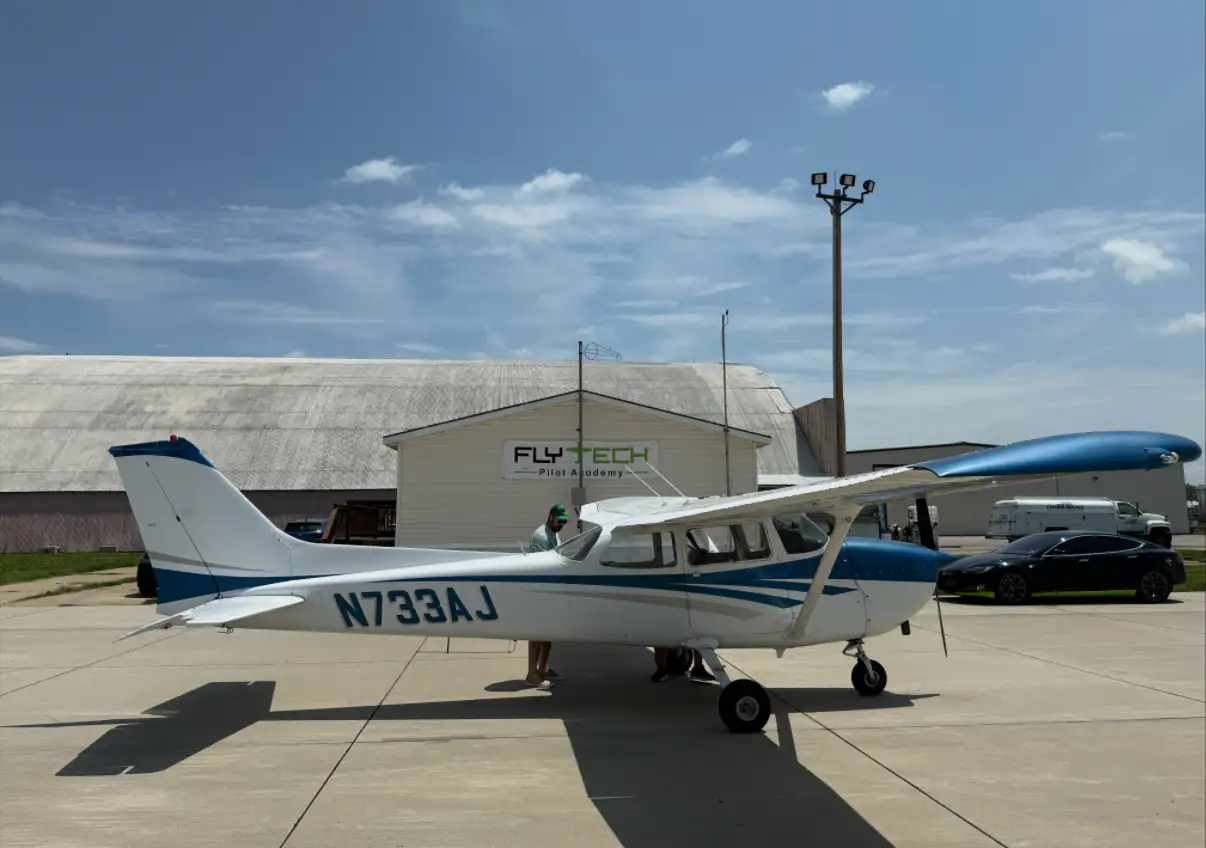
Sport Pilot in the MOSAIC Era: Why This Is the Easiest Way to Start Flying Today
Published by:
Lute Atieh
You are not crazy for thinking flying looks expensive and complicated. Under the new MOSAIC rules that took effect in October 2025, the sport pilot certificate has quietly become the simplest, fastest, and most affordable way for a typical person to get into the left seat.
Sport Pilot In The MOSAIC Era
Why I Would Start Here If I Were Learning To Fly Today
My Story the Old Way
When I learned to fly, there was no shortcut to the Cessna 172. If you wanted to fly a 172, you went straight into the full private pilot path.
It took me a little over three years to finish my license. By the time I passed my checkride I had nearly seventy hours in my logbook and had spent close to twenty thousand dollars in 2012 money. That is a serious amount of time and money for a hobby. The primary cause of the delay was time and money. When I had a little extra, I spent it on lessons and spent a lot of time relearning things between lessons. Video based ground school and access to a SIM were not an option and so the old hard way was the only path.
What did I do with that license?
I stayed at the private pilot level. I did not chase instruments or commercial ratings. I just flew. Over time I built about five hundred hours, almost all of it in the same kind of flying most new pilots actually do.
Local flights. Breakfast runs. Clear weather. One passenger most of the time. Short cross country trips within a few hundred miles.
If I look honestly at my flying, a little under ninety percent of what I have ever done would fit inside today’s sport pilot privileges under MOSAIC. The reality is that my usage looked like a sport pilot lifestyle wrapped in private pilot paperwork.
And that is completely fine. I have enjoyed every hour. But it makes a really important point.
What cost me three years, seventy hours, and about twenty thousand dollars back then could be done today in much less time and for well under half that total cost if I started on the modern sport pilot path. In aviation it is rare that a new set of regulations makes life meaningfully easier and cheaper for normal people. MOSAIC is one of those rare times.
From Tiny Two Seat Sport Planes to My First 172
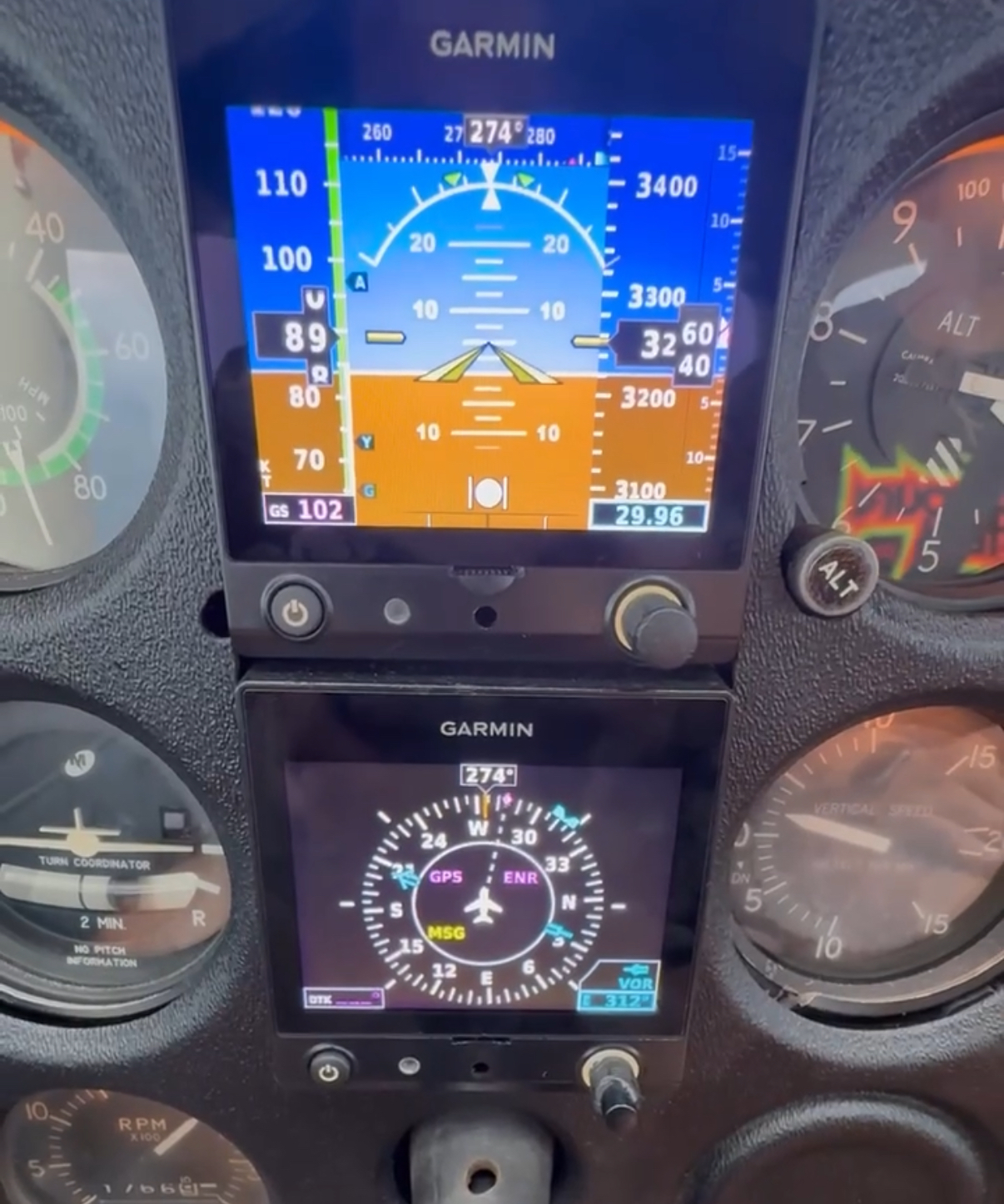
Before MOSAIC, a sport pilot was mostly tied to small two seat aircraft that had to fit under strict limits for weight and speed. They were light and efficient, but that same light weight often made them more sensitive on the controls and less forgiving in bumps. Great machines, but not always the most comfortable choice for a brand new pilot and if you are over 6’0 tall that experience gets even more uncomfortable in a sport airplane.
My first airplane was a Cessna 172. It is still the easiest airplane I have ever landed. Stable, predictable, honest. It gives you time to think and does not feel like it is trying to surprise you on final.
Back then, that airplane sat firmly in private pilot territory. If you wanted to fly it as pilot in command, you needed the full private certificate.
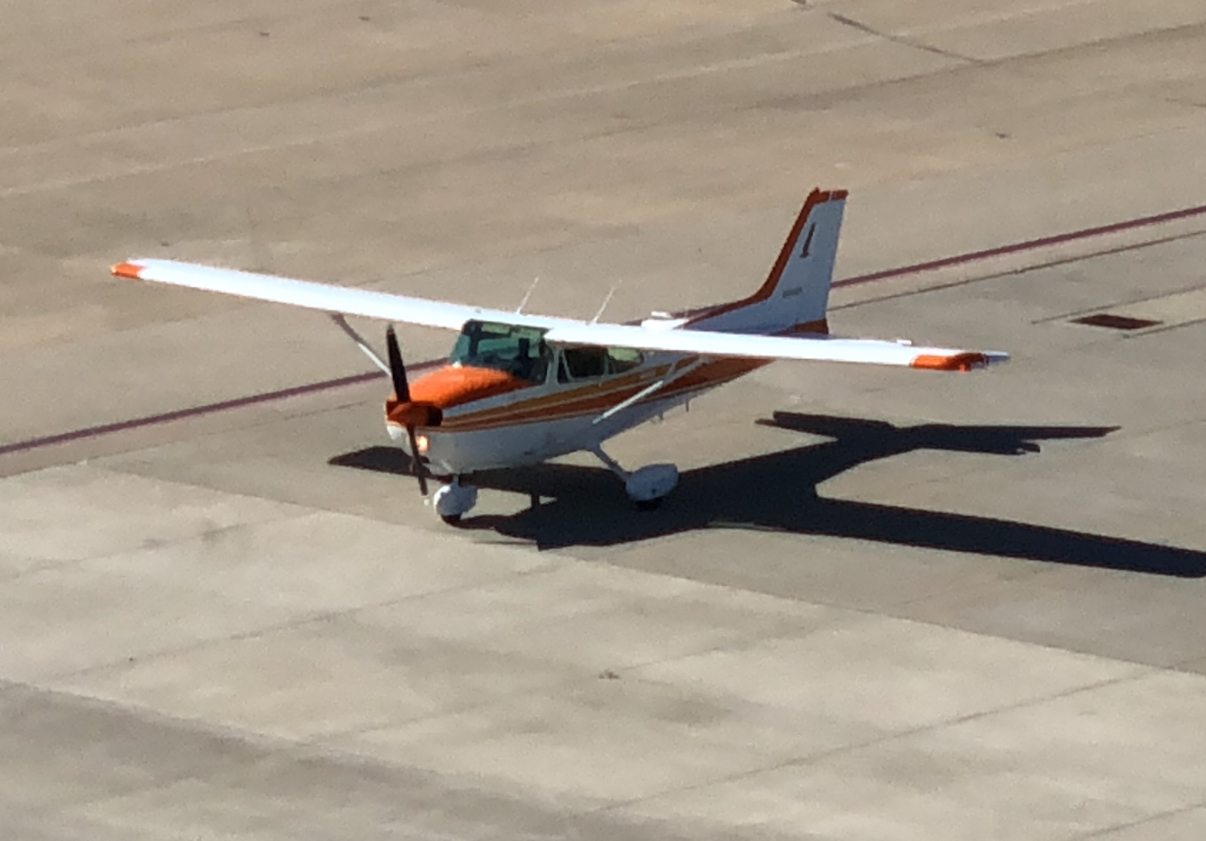
Under MOSAIC, the rules are built around stall speed and performance instead of a hard weight limit. In practice that means many common four seat trainers, including many versions of the Cessna 172, now fit inside the sport pilot envelope. You still only carry one passenger when you are flying on sport pilot privileges, but the airplane in your hands can be the same type of stable, mainstream airplane I learned in.
What a Sport Pilot Certificate Actually Is
For someone who has always wanted to fly and knows nothing about aviation, here is the simple version.
A sport pilot certificate is an FAA license for personal and recreational flying. You operate smaller aircraft, in clear weather, with simpler rules.
At a basic level you will:
- Train with a flight instructor and complete at least twenty hours of flight time, including solo time and a cross country flight. Count on 30 hours however.
- Complete ground training and pass a written knowledge test.
- Pass a practical test in the airplane with an FAA examiner.
Compare that with the private pilot certificate, where the minimum is forty hours and many people finish closer to sixty five to seventy hours. That extra time is part of why the traditional private path costs more and takes longer.
What MOSAIC Changed in Plain Language
The MOSAIC final rule took effect for sport pilots in October 2025 and did two big things that matter to a beginner.
- It increased the allowed stall speed for airplanes that sport pilots can fly and removed a fixed maximum weight. This pulled many normal training airplanes into the sport world.
- It allowed up to four seats in the airplane, as long as you only carry one passenger while flying as a sport pilot. A friend and golf clubs!
The result is simple. Instead of hunting for a very specific light sport model, you can now look at much of the mainstream single engine training fleet and still stay inside sport pilot privileges.
You can train and later rent in the same kind of airplanes many private pilots use, but without committing to the full private pilot path on day one.
Time and Money, Using My Experience as the Benchmark
My path to a private certificate:
- A little over three years, training on and off, taking whole months or two off but also doing sprints of 7–10 hours on a few months.
- About seventy total hours when I finished.
- Close to twenty thousand dollars in 2012 dollars.
Most of that cost was airplane rental and instructor time. Aircraft and fuel are more expensive now, but the structure is the same.
What a focused sport pilot path looks like today:
- Many students finish in the twenty five to thirty five hour range when they fly regularly.
- The calendar time is often 6–12 months if you can commit 2–4 hours a week of flying and studying.
- Because there are fewer hours and a simpler syllabus, the total bill is often less than half of a traditional private pilot program at the same school. Roughly $7,000.
Your numbers will be your own, but the direction is clear. For the kind of flying most beginners actually want to do, the sport pilot path under MOSAIC is faster and more affordable without feeling like a watered down version of real flying.
Medical Rules That Look a Lot Like Your Driver License
For many people the medical side is the scariest part. They worry that anything short of perfect health or perfect eyesight means they are grounded before they start.
One of the strongest advantages of sport pilot is the medical standard.
- In most cases you do not need a separate FAA aviation medical exam.
- A valid United States driver license is enough, as long as you do not have a known condition that would make you unsafe to fly.
- You still have to be honest with yourself and your doctor, but you are not scheduling regular visits with an Aviation Medical Examiner just to fly for fun.
Common worries like mild color blindness or corrected vision are often still compatible with sport pilot flying, as long as you can safely see traffic, lights, and instruments and you are legal to drive. The key idea is simple. If your state and your doctor are comfortable with you operating a car in public traffic, aviation can often ride on that judgment for this lower risk segment of flying.
What You Can Actually Do with a Sport Pilot Certificate
For most people who say they just want to get their license, this certificate checks the box.
With a sport pilot certificate you can:
- Fly yourself and one passenger for fun or short personal trips in good weather.
- Use many of the same Cessnas and Pipers that private pilots train in, as long as they meet the new performance limits.
- Share fuel and operating costs with your passenger.
- Build real skill that counts if you later decide to upgrade to a private pilot certificate.
You will not be flying for hire or punching through bad weather, and that is fine. For the vast majority of weekend flyers, the sport pilot envelope is exactly where they spend their flying life anyway. My own logbook is proof of that.
Why This Matters If You Are on the Fence
Here is the honest truth.
I took the long way. It cost me three years, about seventy hours, and twenty thousand dollars in older dollars to end up doing the kind of flying that today fits neatly inside sport pilot privileges.
I do not regret a minute of it. Flying has been worth every dollar. But if I were starting from zero today, with a job, a family, and limited time, I would very seriously consider beginning as a sport pilot under MOSAIC.
The rules have finally caught up with how normal people actually use small airplanes.
Training time is shorter.
The aircraft options are better.
The medical burden is lighter.
The total cost to get started is dramatically lower.
In a world where regulations usually add friction, this is one of the rare cases where a new rule made aviation more accessible and more practical for regular people.
What’s Next?
Look for a part 61 flight school that lets you choose when you fly, make sure they offer sport and get started. One lesson at a time and you will be there in no time.
Blue skies,
Lute Atieh